









Lesotho Calls for Affordable Connectivity and Stronger Digital Foundations to Bridge the Global AI Divide
Lesotho has called on the international community to prioritise affordable internet access, reliable electricity, and stronger digital infrastructure as essential building blocks for inclusive artificial intelligence (AI) development. The country argues that expanding network coverage alone is not enough to ensure developing nations can fully participate in the global AI economy.
The appeal was made by Kanono Ramashamole, Principal Secretary in Lesotho’s Ministry of Information, Communications, Science, Technology and Innovation, during the United Nations Global Dialogue on AI Governance, held alongside the World Summit on the Information Society (WSIS) Forum and AI for Good Summit in Geneva, Switzerland.
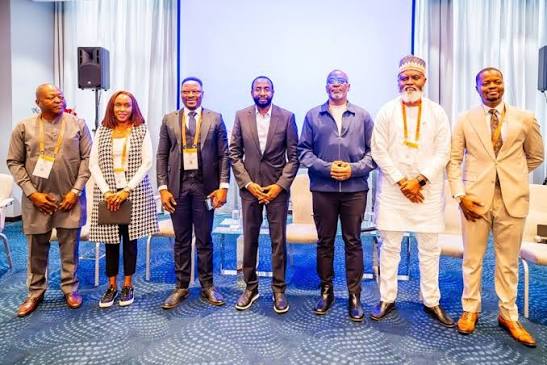
Speaking during the session titled “Bridging AI Divides: Capacity Building, Access and Digital Foundations,” Ramashamole stressed that developing countries must be active contributors to AI innovation rather than remaining passive consumers of emerging technologies. He represented the Lesotho delegation led by Deputy Prime Minister Justice Nthomeng Majara, alongside senior government officials from the Ministry of ICT.
Connectivity Alone Is Not Enough
According to Ramashamole, broadband infrastructure is only one piece of the digital transformation puzzle. While Lesotho has achieved nationwide broadband coverage, internet adoption remains significantly lower because many citizens cannot afford regular internet access.
He explained that although broadband reaches nearly every part of the country, only about half of the population actively uses the internet, demonstrating that affordability remains one of the biggest barriers to digital inclusion and AI readiness.
Reliable Electricity Remains a Major Challenge
Beyond internet access, Lesotho highlighted the importance of dependable electricity in supporting digital transformation.
Ramashamole noted that some communities still lack consistent access to electricity, forcing residents to travel long distances simply to charge their mobile phones. Such infrastructure gaps make it difficult for people to access digital services, online education, e-government platforms, and future AI-powered applications.
He emphasised that meaningful participation in the digital economy requires both connectivity and dependable power infrastructure.
Better Data Governance Needed for AI
The Lesotho delegation also underscored the importance of improving data governance as countries prepare for wider AI adoption.
Ramashamole pointed out that many developing nations continue to face challenges with fragmented, poorly managed, and unstructured datasets spread across multiple institutions. Without proper governance frameworks and quality data, countries may struggle to develop trustworthy and effective AI systems.
He echoed previous remarks made by Deputy Prime Minister Majara, calling for stronger international cooperation to establish common standards for responsible AI data management.
Investing in Digital Public Infrastructure
Lesotho believes that investments in Digital Public Infrastructure (DPI) and open-source technologies can help countries strengthen their AI capabilities while promoting inclusive digital development.
The government highlighted its participation in recent Open Source Week activities as part of broader efforts to expand technical expertise, improve digital literacy, and prepare local professionals for AI-related opportunities.
According to Ramashamole, these initiatives are designed to position Lesotho as an active participant in shaping AI policies, technologies, and digital ecosystems rather than simply adopting solutions developed elsewhere.
Building an Inclusive AI Future
Lesotho says its long-term vision is to ensure the country contributes meaningfully to global AI development through investments in infrastructure, skills, governance, and innovation.
By strengthening digital foundations today, the country hopes to create an environment where citizens, businesses, researchers, and government institutions can fully benefit from AI-driven economic growth and technological advancement.
________________________________________
Frequently Asked Questions (FAQs)
1. Why is Lesotho advocating for affordable internet access?
Lesotho believes affordable internet is essential because broadband availability alone does not guarantee digital inclusion. High internet costs continue to prevent many citizens from accessing online services and participating in the AI economy.
2. What challenges does Lesotho face in digital transformation?
Key challenges include internet affordability, unreliable electricity in some communities, limited digital adoption, fragmented data management systems, and the need for stronger digital skills.
3. Why is electricity important for AI adoption?
Reliable electricity powers digital devices, internet connectivity, cloud services, and AI applications. Without stable power, individuals and businesses cannot consistently access digital technologies.
4. What is Digital Public Infrastructure (DPI)?
Digital Public Infrastructure refers to foundational digital systems such as digital identity, payment platforms, data-sharing frameworks, and connectivity that enable governments and citizens to access secure digital services.
5. Why is data governance important for artificial intelligence?
AI systems rely on accurate, secure, and well-managed data. Strong data governance helps ensure privacy, improves AI performance, reduces bias, and supports responsible AI deployment.
6. How is Lesotho preparing for AI adoption?
The country is investing in digital skills development, promoting open-source technologies, strengthening Digital Public Infrastructure, improving connectivity, and participating in international AI governance discussions.
7. What message did Lesotho deliver at the AI Governance forum?
Lesotho urged global policymakers to ensure developing countries are not left behind by making AI more inclusive through affordable connectivity, reliable infrastructure, stronger data governance, and greater capacity building.
8. Why is participation in global AI governance important for developing countries?
Participation allows developing nations to help shape international AI policies, standards, and regulations while ensuring their unique economic, social, and developmental priorities are represented.
About The Author