








Tech innovation must address Africa’s biggest social challenges
International digital transformation adviser and technology advocate, Akanni Isaac, has called on Africa’s technology ecosystem to prioritise the development of artificial intelligence (AI) and digital solutions that tackle the continent’s most pressing social challenges, stressing that the real value of innovation lies in its impact on people’s lives.
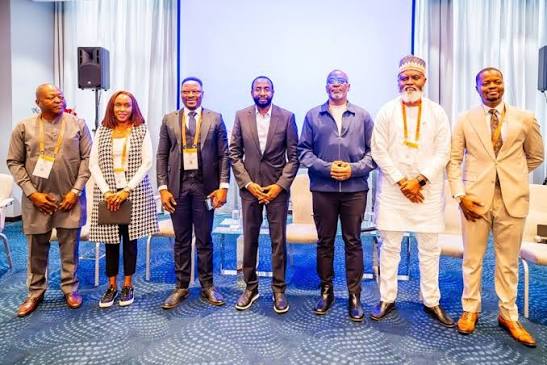
Isaac made the call while speaking with journalists at the end of the Social Impact Tech Summit (SITSummit) 2026, held at NECA House, Alausa, Ikeja, Lagos.
According to him, Africa’s rapidly expanding technology sector presents a unique opportunity to address longstanding challenges in education, healthcare, food security and climate resilience through purposeful innovation.
“We are building many technologies, but very few are solving our biggest problems,” Isaac said. “Technology should improve lives, reduce inequality and create opportunities for everyone.”
His remarks come at a time when governments, investors and technology companies across Africa are increasing investments in artificial intelligence, digital transformation and innovation to drive economic growth and improve public service delivery.
Isaac urged entrepreneurs, developers, policymakers and investors to strengthen collaboration to ensure technological innovations are designed to solve real societal problems rather than focusing solely on commercial returns.
He described social impact innovation as one of Africa’s greatest opportunities, noting that a growing number of startups are proving that commercial success and measurable public benefit can go hand in hand.
Learn globally, innovate locally
Addressing young professionals, Isaac encouraged them to broaden their perspectives by learning from global experiences that can be adapted to local realities.
“Don’t allow your career to be limited by where you grew up,” he said. “Many of the problems we face today have already been solved elsewhere through technology and innovation. We must learn from those experiences, adapt them to our realities and continue building solutions that make life better.”
Technology should expand access to education
Speaking on education, Isaac said technology must be deployed to remove structural barriers that prevent many people, particularly those in underserved communities, from accessing quality learning.
“Education is not a luxury,” he said. “Every child deserves access to education just as they deserve food, healthcare and the opportunity to build a better future.”
He challenged innovators to develop AI-powered learning solutions capable of reaching children who are unable to attend conventional classrooms because of economic circumstances.
“If we can build AI solutions for people who are deaf or blind, we should also be asking how technology can deliver quality learning to children helping their parents in shops or informal businesses,” he said. “Technology should meet people where they are and remove barriers to opportunity.”
According to Isaac, innovation should ultimately be measured by the positive impact it has on society rather than by its technical sophistication.
“The true measure of innovation is not how advanced technology is, but how many people it empowers,” he said.
The summit, organised by Coappt in collaboration with G.O. Lawal Global, brought together technology leaders, policymakers, investors, academics and development partners to examine how emerging technologies can accelerate sustainable development across Africa.
Among the featured speakers was Douglas Grindle, Political and Economic Officer at the U.S. Consulate General in Lagos, who reaffirmed the United States’ commitment to supporting technology, innovation and responsible digital development in partnership with Nigeria.
Participants at the summit also emphasised the need for stronger collaboration between the public and private sectors to ensure that artificial intelligence and other emerging technologies drive inclusive economic growth and sustainable social development across the continent.
About The Author