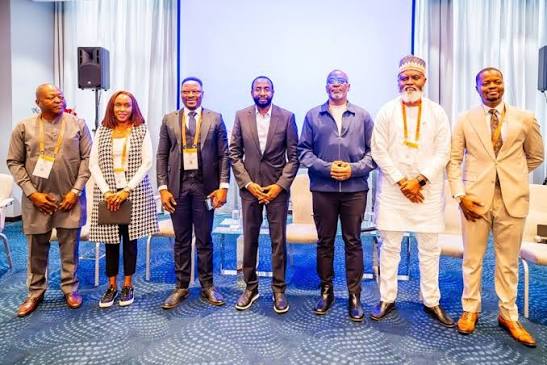










FG launches Atlas Network to drive Africa’s AI development
The federal government has launched the Atlas Network, an initiative designed to develop artificial intelligence (AI) systems that better reflect and support Africa’s languages, cultures, and knowledge.
The Minister of Communications, Innovation and Digital Economy, Bosun Tijani, announced the initiative on Thursday during the 7th Ordinary Session of the Conference of Plenipotentiaries of the African Telecommunications Union (ATU) in Abuja.
According to Tijani, the platform will enable African countries to build AI tools tailored to local needs while reducing dependence on technology solutions developed outside the continent.
“Artificial intelligence represents one of the greatest opportunities for Africa’s transformation,” he said, noting that fewer than two per cent of African languages are currently supported by modern AI systems despite the continent being home to a significant share of the world’s languages.
The Atlas Network will bring together governments, researchers, universities, technology companies, and other stakeholders to develop large language models specifically designed for African users.
Tijani said the initiative seeks to create AI systems “by Africa and for Africa” that accurately reflect the continent’s languages, cultures, and knowledge.
He added that expanding the Atlas initiative into a continental platform aligns with Nigeria’s efforts to increase Africa’s participation in the global digital economy.
The minister also said Africa’s expanding technology sector, youthful population, and continued investment in digital infrastructure position the continent to play a greater role in shaping the future of technology.
Hosted by Nigeria, the ATU conference brought together representatives from African countries, international organisations, and technology stakeholders to deliberate on telecommunications and digital development across the continent.
Tijani stressed the need for African countries to strengthen collaboration and adopt a common position in global digital policy discussions, particularly ahead of the 2026 International Telecommunication Union (ITU) conference, where key decisions on the future of telecommunications and digital governance are expected to be made.
He further noted that the African Telecommunications Union has grown to 52 member states and continues to promote cooperation in technology, innovation, and digital development across Africa.
Also speaking at the event, the Executive Vice-Chairman of the Nigerian Communications Commission (NCC), Dr. Aminu Maida, highlighted the importance of digital technology in advancing Africa’s development.
Maida urged member states to sustain investment in technical preparedness, strengthen regional collaboration, and present unified positions on issues affecting the continent.
Representing Vice President Kashim Shettima, the Deputy Chief of Staff to the President, Senator Ibrahim Hadejia, described artificial intelligence, broadband infrastructure, cloud computing, satellite communications, and secure digital networks as critical infrastructure for the future.
He said no African country can achieve its digital ambitions alone, stressing the need for stronger continental cooperation on responsible AI governance, cybersecurity, spectrum management, and digital trade, while presenting a united African position on global digital development.
About The Author