








A4S, Natari Expand Agricultural Technology Activities in Nigeria
A4S, an agricultural technology company, and Natari, an investment and project-development group, are expanding their activities in Nigeria as they seek to combine agricultural technology, investment and financial services to improve productivity across the country’s agricultural value chain.
The companies are collaborating with Providus Bank on an initiative designed to link agricultural technology with financing, productive assets, processing and markets. The programme is also connected to the Federal Government’s economic and financial inclusion agenda through the SheIncluded platform.
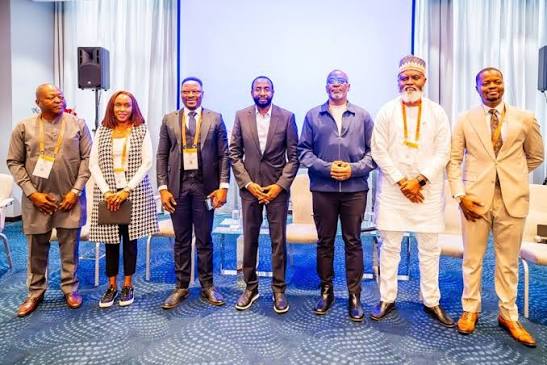
The partnership was announced at a press conference in Lagos on Monday, following the relaunch of A4S’s 4Tree agricultural technology product in Nigeria through the SheIncluded programme. A4S and Natari have identified Nigeria as an important market as they expand their operations in the country.
The initiative builds on existing activities involving A4S, Natari and Providus Bank in the areas of 4Tree and agricultural development in Nigeria. Publicly available information from the companies had previously identified 4Tree as a plant-growth product associated with agricultural productivity initiatives in the country.
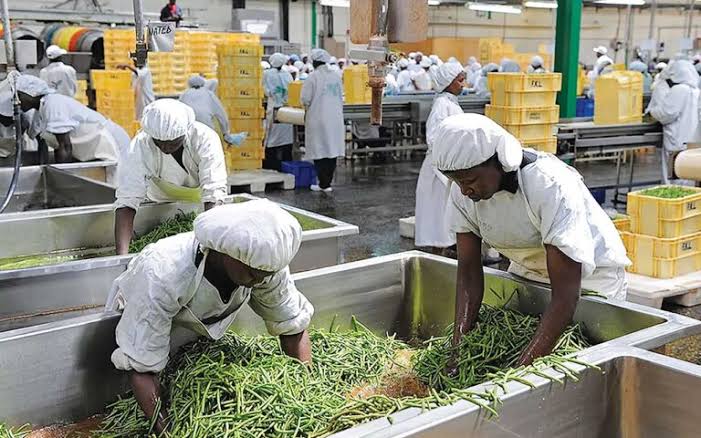
A4S said it intends to expand the deployment of the technology through demonstration farms, farmer engagement, training and crop-specific trials. According to the company, productivity, production costs, crop quality and farmer income will be among the key indicators used to assess the initiative.
Afolabi Oke, Managing Director and Chief Executive of Global Infoswift, a strategic partner to the companies in Nigeria, said A4S had been engaging with farmers in the country and was working to introduce the technology to a wider market.
Oke said farmers had shared testimonials about their experiences with 4Tree, while the company was also seeking to deepen its engagement with farmers and state governments. However, claims regarding the product’s impact on agricultural yields have not been independently verified.
The commercial model also goes beyond the use of the technology on farms. Oke said A4S had developed a referral-based distribution model that allows participants who promote the product to earn commissions from sales.
The companies have also connected the initiative to the SheIncluded programme, which focuses on women’s economic empowerment, entrepreneurship and financial inclusion. Afolabi has publicly identified A4S and Natari as partners in the initiative alongside the Presidential Committee on Economic and Financial Inclusion.
Natari is also pursuing agricultural and related development projects in Nigeria, including projects involving agricultural production and processing. The company has previously been associated with A4S and 4Tree activities in the country.
The companies did not disclose the total value of their planned investments in Nigeria during the press conference. Specific investment commitments and the financial terms of the partnership with Providus Bank were also not made public.
Providus Bank has previously been publicly associated with A4S and Natari in relation to agricultural initiatives involving 4Tree. However, the exact scope and value of the bank’s role in the latest initiative were not disclosed.
Nurudeen Zauro, Technical Adviser to the President on Economic and Financial Inclusion and Executive Secretary of the Presidential Committee on Economic and Financial Inclusion, said initiatives of this nature should ultimately be evaluated based on their measurable economic impact.
The programme’s focus aligns with the broader objectives of SheIncluded, which seeks to increase women’s participation in economic activities, entrepreneurship and financial inclusion. A4S and Natari are involved in the initiative as private-sector partners.
For A4S, the Nigerian project forms part of its wider expansion strategy across Africa. The company has described 4Tree as a product that has been deployed in Nigeria and other African markets.
The immediate test for the initiative will be whether the technology can produce measurable results under Nigerian farming conditions. Claims of increased yields will need to be supported by field evidence showing that higher output translates into improved returns after taking into account the cost of the technology.
This makes field trials, farmer adoption and independent measurement important to the commercial case being developed by A4S and its partners.
The broader objective is to connect agricultural production with finance, technology and processing instead of treating farm productivity as an isolated challenge. Whether the model can operate successfully at scale will depend on the performance of the technology, the availability of financing and the ability of farmers and other participants to generate sustainable returns.
About The Author