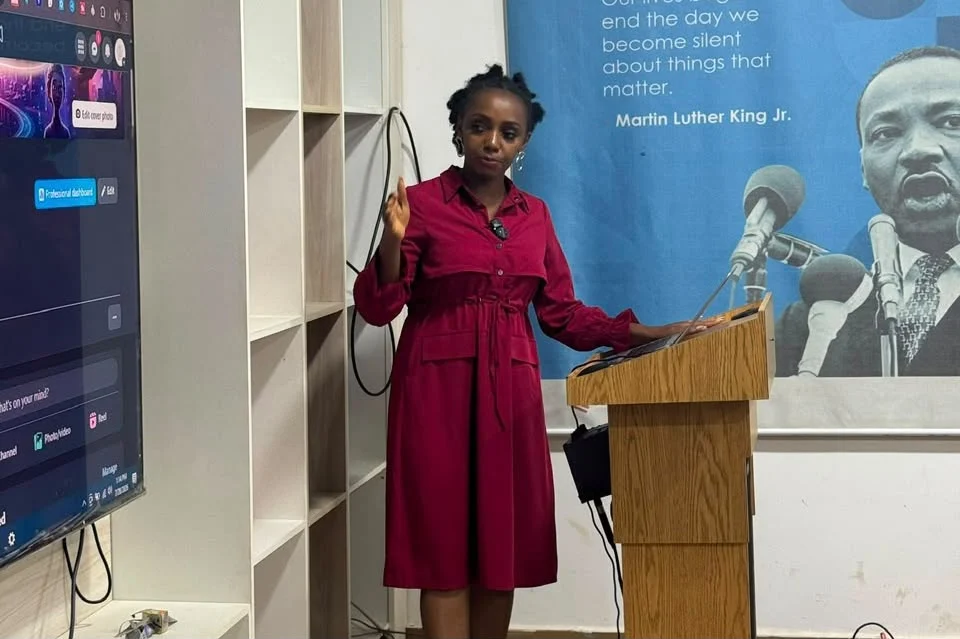
An Artificial Intelligence (AI) System Builder and Automation Specialist, Ms Mary Mmoh, has called for increased government investment in technology education to strengthen Nigeria’s technology sector.
Mmoh made the call in an interview with the News Agency of Nigeria (NAN) in Abuja, while reflecting on Nigeria’s progress in the technology sub-sector, 66 years after independence.
She identified the deliberate development of digital skills and expanded access to information and communication technology as some of the most significant achievements in the country’s technology journey.
She cited the Three Million Technical Talent (3MTT) initiative as an example, noting that thousands of Nigerians had gained access to training in software development and artificial intelligence.
According to her, the programme also covers data science, cybersecurity and cloud computing, describing it as a step in the right direction.
“I benefited from some of these government-supported initiatives when I accessed courses on Coursera through a subsidised programme.
“I have seen first-hand how access to digital learning can change what people are able to do.
“These initiatives show that when government invests in people, real change is possible,” she said.
Mmoh also acknowledged the role of the National Information Technology Development Agency (NITDA) in promoting digital literacy and technology adoption across Nigeria.
She said the country had made progress in developing products and companies capable of competing globally, citing Nigerian-founded companies such as Flutterwave, Paystack and Calendly as examples of their international reach.
However, she noted that many of these companies had been compelled to expand beyond Nigeria to access the infrastructure and capital needed to grow their businesses.
“If we can create those same conditions within Nigeria, we would see many more tech companies grow to global scale from here.
“Nigeria has shown it can put Africa on the map through music and sports. Technology is the next frontier,” she said.
Mmoh identified early technology education as one of the major gaps that needed to be addressed, beyond infrastructure development.
She said investing in technology skills from an early age and creating pathways to commercialise ideas would enable more Nigerians to translate their innovations into viable products and businesses.
“If Nigeria invests in tech skills early and creates pathways to commercialise ideas, we would see far more of what Nigerians can produce.
“We must move beyond training people to creating systems that allow those skills to become businesses and jobs,” she said.
Mmoh maintained that Nigeria had the talent and population needed to become a global technology leader, stressing that technology and education must become stronger national priorities.
“The talent is here. What we need now is the environment to match it,” she said.
She added that Nigeria’s innovation landscape had improved through the efforts of individuals and private organisations training people to become technology producers.
However, she stressed that stronger government support remained necessary to advance the ecosystem.
Mmoh said she had observed young Nigerians with limited resources building miniature generators, cars and aircraft from discarded materials, describing their efforts as evidence of the country’s untapped potential.
“It makes me wonder what these young people could achieve with the right education, mentorship and resources,” she said.
She reiterated the need to prioritise early technology education and establish systems that would enable Nigerians to turn their skills and ideas into businesses and employment opportunities.
“We have put Africa on the map through music, fashion and sports. Technology should be the next area where we build that global presence,” she said.
About The Author