




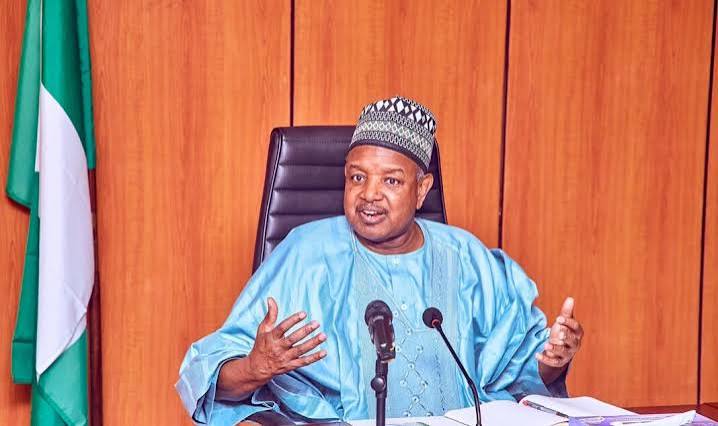
The Minister of Innovation, Science and Technology, Kingsley Udeh, has stressed the need for Nigeria to commercialise its research outcomes to achieve economic and political independence.
Udeh made the statement on Thursday in Abuja during a media parley on the second edition of the African Raw Materials Summit (ARMS 2026), organised by the Raw Materials Research and Development Council (RMRDC).
He noted that no nation could attain genuine independence while depending heavily on foreign technology, emphasising the importance of science, technology and innovation to national development.
“The foundation of advancement is innovation, science and technology. If you are dependent, you are not yet free or independent as it relates to technology, science and innovation. You can’t actually be independent politically and economically,” he said.
The minister explained that commercialising research outcomes would accelerate industrialisation, create economic opportunities and strengthen Nigeria’s productive capacity.
He added that achieving President Bola Tinubu’s $1 trillion economy target would require Nigeria to harness science, technology and innovation to develop a knowledge-based economy.
“If we would move from where we are, in terms of the economy, to the targeted $1 trillion GDP, then we have to mobilise our science, technology and innovation to make it work,” he said.
Speaking on the objectives of ARMS 2026, Udeh said the summit would review progress since its inaugural edition, evaluate performance, identify existing gaps and develop strategies to address outstanding challenges.
According to him, the summit would bring together African ministers responsible for science, technology and innovation, officials overseeing raw materials, researchers, investors, development partners and industry leaders across the continent’s raw materials value chain.
On the proposed amendment to the Raw Materials Research and Development Council Act, the minister disclosed that the bill included incentives to encourage industry players to adopt a minimum of 30 per cent value addition to raw materials.
He explained that the incentives were designed to make compliance attractive to stakeholders and facilitate the implementation of the proposed policy.
The Director-General of RMRDC, Prof. Nnanyelugo Ike-Muonso, commended the minister for his support for the council and its efforts to advance the proposed raw materials legislation.
He also expressed appreciation to Udeh for promoting the council and supporting initiatives aimed at strengthening Nigeria’s raw materials sector.
About The Author