






AfCFTA to Build a Unified Digital Trade Platform Using Nigerian Customs Technology
The African Continental Free Trade Area (AfCFTA) Secretariat has taken a major step toward improving trade across Africa by signing a Memorandum of Understanding (MoU) with Bergmans Security Consultants and Supplies Limited (BSCS) to implement the AfCFTA Customs Modernisation Project.
The initiative aims to create a unified digital customs platform that will enable customs systems across African countries to communicate with one another, making cross border trade faster, more efficient, and less expensive.
Nigeria’s Customs Technology Chosen as the Foundation
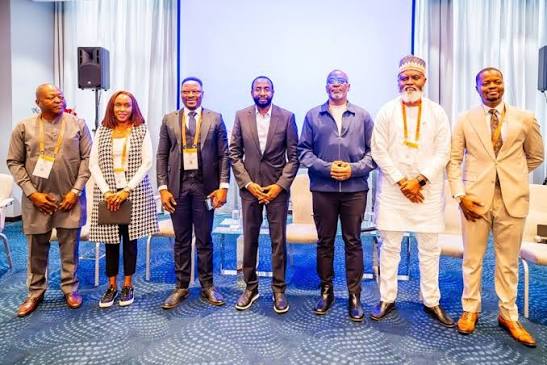
Speaking during the signing ceremony in Lagos, Bashir Adeniyi, Comptroller General of the Nigeria Customs Service (NCS), described the agreement as a landmark achievement that will help accelerate trade under the African Continental Free Trade Area.
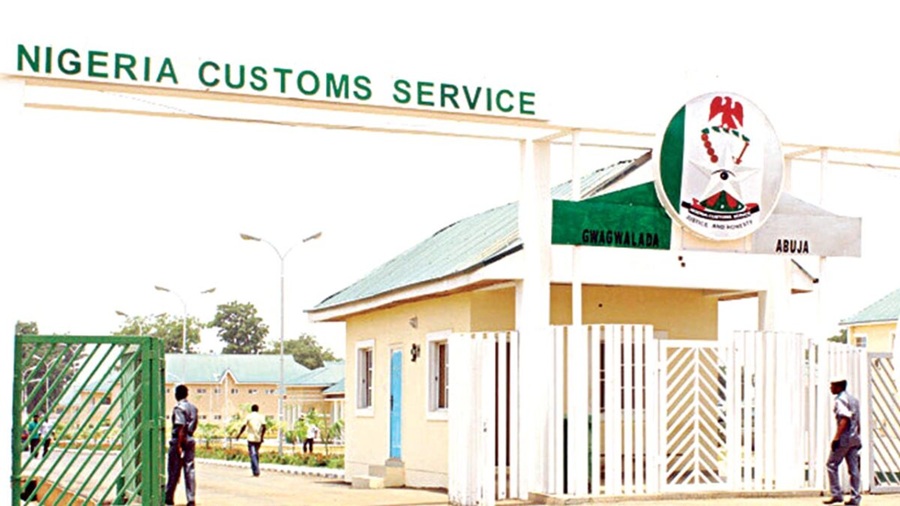
He explained that Nigeria has steadily modernised its customs operations, moving from the Automated System for Customs Data (ASYCUDA) to the Nigeria Integrated Customs Information System (NICIS), and more recently to B’Odogwu, an indigenous customs processing platform developed to improve efficiency.
According to Adeniyi, African countries currently operate different customs management systems, creating unnecessary barriers for businesses trading across borders.
The new platform will allow these independent systems to exchange information seamlessly, eliminating the need for traders to repeat customs procedures when moving goods from one African country to another.
A New Era for Cross Border Trade
Under the proposed system, customs declarations submitted in one participating country will be recognised electronically by customs authorities in another participating country.
For example, goods declared for export in Ghana can be processed more efficiently when they arrive in Nigeria without requiring traders to start the customs documentation process all over again.
This digital interoperability is expected to reduce border delays, eliminate duplicate paperwork, and simplify customs clearance throughout the continent.
According to the Nigeria Customs Service, improving digital connectivity between customs administrations has been one of the missing links in Africa’s efforts to strengthen regional trade.
Supporting AfCFTA’s Vision
AfCFTA Secretary General Wamkele Mene said the project aligns perfectly with the agreement’s objective of creating a single African market where businesses can move goods more freely.
He praised Nigeria’s progress in digitising customs operations, improving revenue collection, and modernising border management, noting that the country’s experience provides a practical model for wider continental adoption.
The Secretariat believes the unified platform will especially benefit:
• Small and medium sized enterprises (SMEs)
• Informal cross border traders
• Smallholder farmers
• Manufacturers
• Importers and exporters
By reducing customs delays and administrative costs, businesses will be able to move goods more quickly and compete more effectively across African markets.
Solving Long Standing Border Challenges
Although several African countries have established one stop border posts, many still lack digital integration between their customs systems.
As a result, traders often undergo multiple inspections and complete similar documentation several times before goods can cross a single border.
The new customs modernisation project seeks to eliminate these inefficiencies by creating a connected digital customs ecosystem across participating countries.
Benefits for Trade and Government Revenue
The Nigeria Customs Service believes the project will improve both trade facilitation and government revenue.
When customs procedures become faster and more transparent, businesses can import and export larger volumes of goods with fewer delays. Increased trade activity is expected to translate into higher customs revenue while reducing the overall cost of doing business.
The unified customs platform will also complement Nigeria’s National Single Window initiative and other digital trade systems being introduced across Africa.
Nigerian Innovation Goes Continental
Bergmans Security Consultants and Supplies Limited described the agreement as a significant milestone for locally developed technology.
According to the company’s Chairman, Saleh Ahmadu, the customs platform was designed in Nigeria specifically to address Africa’s unique trade challenges.
He revealed that AfCFTA evaluated several international customs solutions before selecting the Nigerian technology because it was better suited to the continent’s operational needs.
The company said implementation will begin in at least six African countries before gradually expanding across the continent.
If successful, the initiative could become one of Africa’s most significant digital trade infrastructure projects, helping create a more integrated and competitive continental market.
Frequently Asked Questions (FAQs)
1. What is the AfCFTA Customs Modernisation Project?
It is a continental initiative designed to connect customs systems across African countries through a unified digital platform that simplifies cross border trade.
2. Why was Nigerian customs technology selected?
AfCFTA recognised Nigeria’s progress in digitising customs operations and determined that its locally developed technology offers a practical solution for Africa’s customs and border management needs.
3. What is digital customs interoperability?
Digital interoperability allows customs systems in different countries to exchange information electronically so that customs declarations made in one country can be recognised and processed in another without repeating the entire process.
4. How will businesses benefit from the new platform?
Businesses are expected to experience faster customs clearance, fewer border delays, lower administrative costs, simplified documentation, and easier access to markets across Africa.
5. Who will benefit the most from this initiative?
Small and medium sized enterprises, informal traders, farmers, manufacturers, exporters, importers, logistics companies, and consumers are expected to benefit from more efficient trade processes.
6. Will the project increase government revenue?
Yes. Faster customs processing can encourage higher trade volumes, improve compliance, reduce delays, and ultimately increase customs revenue for participating countries.
7. How many countries will adopt the platform first?
According to the implementation plan, the project will begin in at least six African countries before expanding across the continent.
8. What is AfCFTA?
The African Continental Free Trade Area is a trade agreement that seeks to create a single African market by reducing trade barriers and promoting the free movement of goods and services among African countries.
9. What is Nigeria’s B’Odogwu customs platform?
B’Odogwu is Nigeria’s indigenous digital customs processing platform developed by the Nigeria Customs Service to modernise customs operations, improve efficiency, and strengthen border management.
10. Why is this agreement important for Africa?
The agreement has the potential to transform intra African trade by making customs procedures faster, reducing business costs, improving regional integration, supporting economic growth, and helping Africa build a connected digital trade ecosystem.
About The Author