The BudgIT Foundation has urged the National Assembly to move away from budget insertion and adopt evidence-based scrutiny that connects public spending to development plans, previous performance and citizens’ needs.
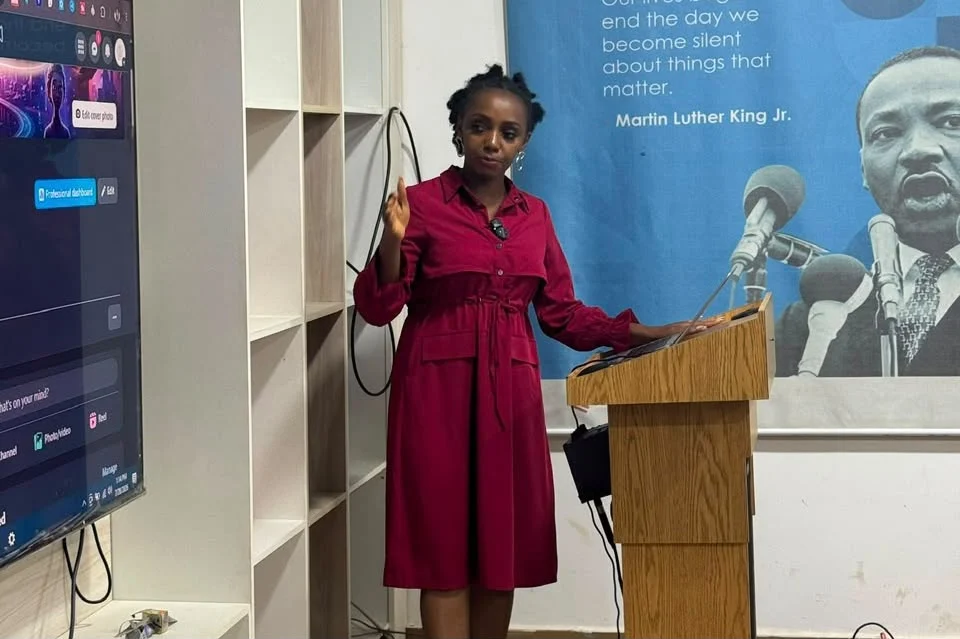
The call was made by BudgIT Country Director, Vahyala Kwaga, who represented the organisation’s Director, Olusegun Onigbinde, at the 2026 Capacity Building Workshop themed, “Leveraging Legislative Oversight and Media Collaboration to Safeguard the National Budget from Unlawful Insertions.”
Kwaga, who spoke on “From Insertion to Interrogation: The National Assembly’s Role in Evaluating the Executive’s Budget Proposal,” said the legislature’s responsibility should extend beyond negotiating figures or adding projects to the Appropriation Bill.
He said lawmakers should assess whether proposed spending is supported by credible plans and evidence of what the government achieved with previous allocations.
According to him, every budget line should be traceable to the National Development Plan, Medium-Term Expenditure Framework and Fiscal Strategy Paper, sector strategies and previous budget performance.
He said lawmakers should also examine previous spending by asking what was appropriated, what was released, what was delivered and whether the outcome justified further funding.
BudgIT proposed six tests for every budget item: its connection to national and sector plans, previous performance, possible duplication, costing, audit findings and evidence of citizens’ needs.
The organisation also called for stronger year-round legislative oversight, with committees tracking project implementation, reviewing quarterly reports and using findings from audits and site visits to guide subsequent budget cycles.
Kwaga further advocated the use of technology and artificial intelligence to assist lawmakers and their aides in analysing thousands of budget lines, identifying duplicate or vague projects, comparing costs and linking proposed allocations with previous appropriations, releases and payments.
He, however, stressed that AI should only support the process, with every flagged item subjected to human verification before conclusions are reached.
BudgIT also called for earlier submission of budget proposals, annual sector strategies, stronger audit mechanisms, machine-readable government financial data and greater citizen participation in the budget process.
It proposed physical and virtual public hearings, constituency needs registers and citizen monitoring of projects to ensure legislative decisions are based on evidence of actual needs.
The organisation said the value of legislative oversight should ultimately be measured by credible budgets, completed projects and measurable development outcomes, rather than the volume of projects inserted into annual appropriations.
The workshop emphasised the need for stronger collaboration among legislators, journalists, civil society organisations and citizens to improve transparency and ensure questionable budget items are properly scrutinised before public funds are committed.
About The Author