








Egypt Strengthens Global Partnerships to Advance Responsible AI and Digital Transformation
Egypt has reinforced its international digital transformation agenda by expanding partnerships with global and regional organizations during the World Summit on the Information Society (WSIS) Forum in Geneva. The Ministry of Communications and Information Technology (MCIT) held a series of strategic meetings with Kenya, the United Nations Development Programme (UNDP), and the World Bank Group to accelerate collaboration in artificial intelligence (AI), digital infrastructure, and digital economy development.
The discussions form part of Egypt’s broader strategy to position itself as a regional leader in digital innovation while promoting responsible AI adoption, stronger digital governance, and improved connectivity.
Egypt and Kenya Expand ICT Cooperation
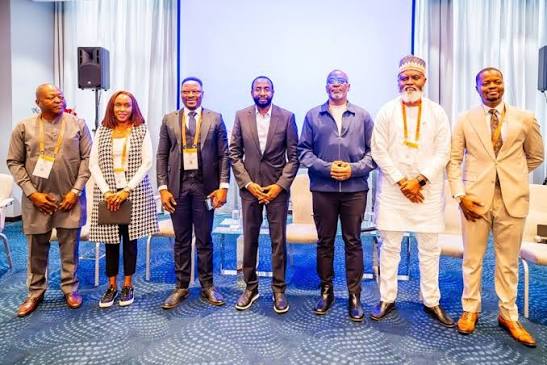
On the sidelines of the WSIS Forum, Egypt’s Minister of Communications and Information Technology, Eng. Raafat Hindi, met with Kenya’s Cabinet Secretary for Information, Communications and the Digital Economy, William Kabogo Gitau, to review the implementation of the ICT Memorandum of Understanding signed between both countries.
The two governments discussed strengthening cooperation across several priority areas, including:
• Digital capacity building
• Software development
• Telecommunications equipment
• ICT infrastructure expansion
• Fibre-optic network deployment
• Submarine cable development
• Cross-border digital connectivity
• Digital literacy initiatives
• AI skills development for youth and rural communities
The partnership aims to strengthen regional digital integration while promoting knowledge sharing and innovation across Africa.
Egypt and UNDP Partner on Responsible AI Governance
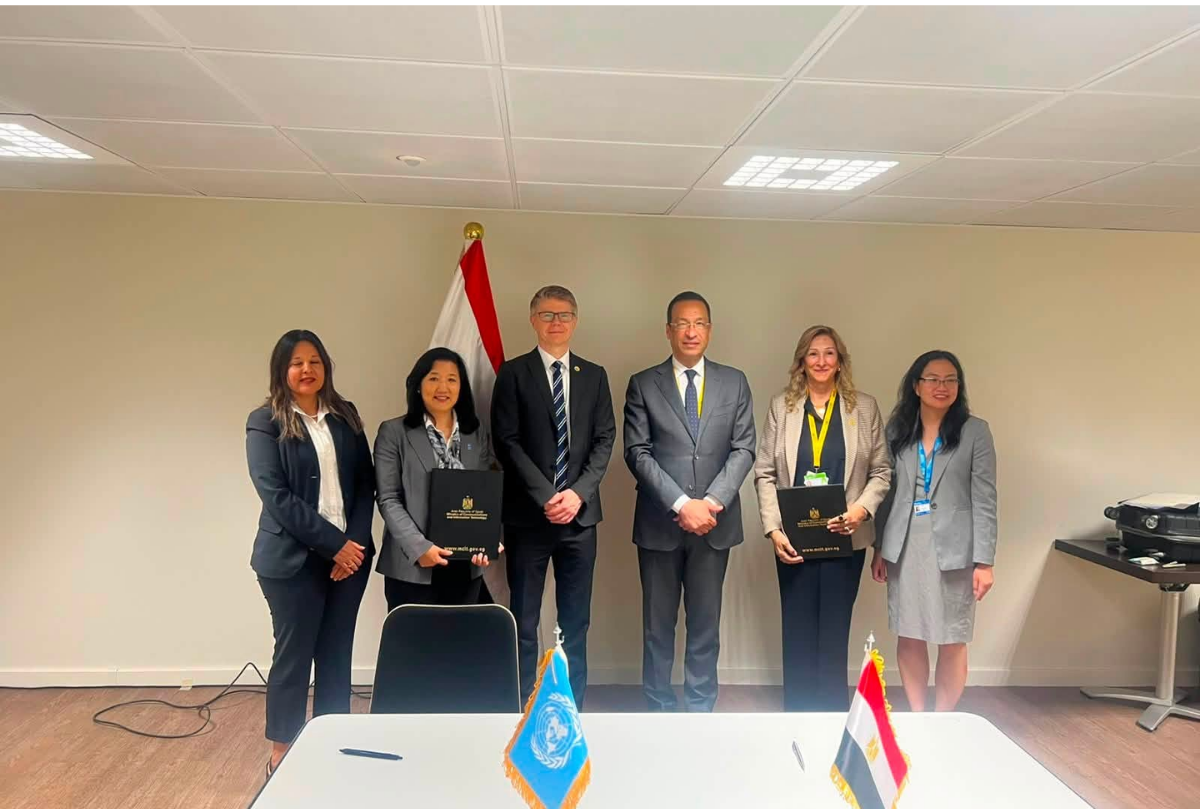
A major highlight of the forum was the signing of a Letter of Intent between Egypt’s Ministry of Communications and Information Technology and the United Nations Development Programme (UNDP).
The agreement focuses on promoting responsible artificial intelligence by developing an AI Sandbox tailored to Egypt’s regulatory and technological environment.
The AI Sandbox will provide a secure and supervised testing environment where AI applications can be evaluated before being deployed commercially or within public institutions. The framework is designed to ensure AI systems comply with ethical standards, regulatory requirements, transparency principles, and public interest objectives.
Beyond the sandbox initiative, the partnership will strengthen Egypt’s institutional capacity to develop, monitor, and implement AI governance frameworks that support safe and responsible innovation.
The two organisations also explored future collaboration in several emerging technology areas, including:
• Public digital infrastructure
• Quantum computing
• Advanced computing technologies
• AI research and development
• Digital skills and technical capacity building
According to the ministry, the initiative supports the priorities of Egypt’s National Council for Artificial Intelligence and represents a significant step toward turning responsible AI policies into practical implementation.
World Bank Collaboration to Support Digital Economy Growth
Eng. Raafat Hindi also met with Sangbu Kim, Vice President for Digital Transformation and Artificial Intelligence at the World Bank Group, to discuss expanding cooperation on digital transformation projects.
The discussions focused on initiatives that can strengthen Egypt’s digital economy, including:
• Artificial intelligence adoption
• Government digital transformation
• Innovation ecosystems
• SME digital development
• Digital employment opportunities
• Technology-driven entrepreneurship
The minister noted that the World Bank’s digital development priorities closely align with Egypt’s Digital Egypt strategy, which seeks to modernize government services, stimulate innovation, create employment opportunities, and strengthen the country’s digital economy.
He also highlighted Egypt’s ongoing investments in digital infrastructure, including:
• Expansion of fibre-optic broadband networks
• Rural and village connectivity projects
• Digital skills development programmes
• Freelancing and remote work initiatives
• Growth of the IT and business process outsourcing (BPO) sector
• Increasing digital exports
Strengthening Egypt’s Digital Future
The high-level engagements demonstrate Egypt’s continued commitment to building strategic international partnerships that support innovation, responsible AI governance, digital infrastructure expansion, and economic growth.
By collaborating with regional governments and global organisations, Egypt aims to create a secure, inclusive, and future-ready digital ecosystem capable of supporting long-term technological advancement and sustainable development.
________________________________________
Frequently Asked Questions (FAQs)
1. What is the main objective of Egypt’s partnership with UNDP?
The partnership aims to strengthen responsible AI governance in Egypt by developing an AI Sandbox, improving regulatory frameworks, and building institutional capacity for the safe deployment of artificial intelligence technologies.
2. What is an AI Sandbox?
An AI Sandbox is a controlled testing environment where artificial intelligence systems can be evaluated before deployment. It allows developers and regulators to assess compliance with ethical standards, security requirements, and regulatory policies while reducing potential risks.
3. Why is responsible AI important?
Responsible AI helps ensure that artificial intelligence systems operate fairly, transparently, securely, and ethically. It also reduces risks related to privacy, bias, cybersecurity, and public safety.
4. What areas are covered under the Egypt-Kenya ICT partnership?
The partnership includes cooperation in digital skills development, AI training, software development, telecommunications infrastructure, fibre-optic networks, submarine cables, cross-border connectivity, and digital literacy programmes.
5. How does the World Bank support Egypt’s digital transformation?
The World Bank is working with Egypt to promote digital government services, AI adoption, innovation, SME development, digital employment, and investments in modern digital infrastructure.
6. What is Egypt’s Digital Egypt strategy?
Digital Egypt is the country’s national strategy for expanding digital government services, improving connectivity, developing digital skills, creating technology jobs, supporting businesses, and accelerating economic growth through digital transformation.
7. How will these partnerships benefit Egypt?
The collaborations are expected to improve AI governance, strengthen digital infrastructure, expand technology skills, support innovation, attract investment, create jobs, and accelerate the country’s transition toward a knowledge-based digital economy.
About The Author