






Introduction
The world witnessed a historic financial milestone in June 2026 when Elon Musk became the first human to achieve a net worth of over $1 trillion. This unprecedented achievement was driven largely by the record-breaking public listing of SpaceX—a company once considered too ambitious to succeed.
For Africans—especially Nigerians building careers in tech—this moment is more than global news. It is a blueprint for wealth creation, innovation, and long-term thinking in the digital economy.
This article breaks down how Musk achieved this milestone and, more importantly, the practical lessons Africans can apply in today’s tech-driven world.
________________________________________
The Historic Moment: SpaceX IPO That Changed Everything
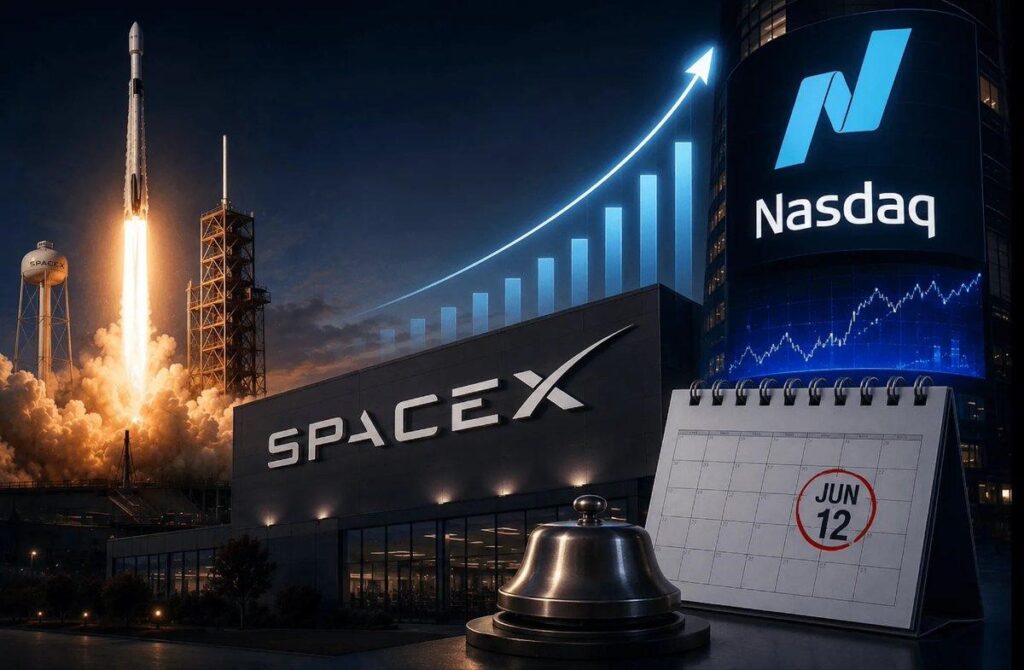
On June 12, 2026, SpaceX launched what is now considered the largest Initial Public Offering (IPO) in history, raising about $75 billion and pushing its valuation above $2 trillion.
• IPO price: ~$135 per share
• Opening surge: shares jumped above $150
• Peak valuation: over $2.1 trillion
• First-day gain: nearly 19%
This explosive debut instantly boosted Musk’s wealth past the trillion-dollar mark, with estimates placing his net worth around $1.1 trillion.
SpaceX is no longer just a space company—it is now a multi-industry tech giant spanning satellite internet, AI, aerospace, and communications.
________________________________________
How Elon Musk Built a Trillion-Dollar Fortune
Musk’s journey to $1 trillion is a result of strategic reinvestment, ownership control, and long-term vision.
1. Dominant Ownership in SpaceX
Musk owned a massive stake in SpaceX before the IPO—estimated between 39% and over 80% depending on voting rights and structure.
When the company’s valuation crossed $2 trillion, his holdings alone were worth hundreds of billions.
________________________________________
2. Building an Ecosystem, Not Just a Company
SpaceX isn’t isolated. It is part of Musk’s broader ecosystem:
• Tesla (electric vehicles & energy)
• Starlink (global internet)
• xAI (AI innovation)
• Neuralink (neurotechnology)
This interconnected strategy increased investor confidence and valuation growth.
________________________________________
3. Leveraging Future Potential Over Current Profit
Interestingly, SpaceX is not consistently profitable. It reported billions in revenue but also operating losses, yet investors still drove its valuation higher.
Why? Because investors are betting on:
• The future of global internet (Starlink)
• AI-driven infrastructure
• Space commercialization (Mars, satellite networks)
________________________________________
4. Long-Term Risk-Taking
Musk founded SpaceX in 2002, and for years, the company struggled financially. Yet he continued investing heavily—even risking bankruptcy.
This long-term approach is one of the biggest lessons for tech entrepreneurs.
________________________________________
Why SpaceX Became So Valuable
Key Revenue Drivers
1. Starlink Satellite Internet
o Millions of global users
o Recurring subscription revenue
2. Reusable Rocket Technology
o Lower launch costs
o Dominates global space missions
3. Government & Defense Contracts
o Partnerships with NASA and U.S. agencies
4. AI & Data Infrastructure
o Integration with AI companies like xAI
________________________________________
What This Means for Africa’s Tech Future
This milestone signals a global shift:
• Wealth is now created through technology, not traditional industries
• Innovation is more valuable than natural resources
• Digital skills are the new currency
For Africans, especially in Nigeria, this opens massive opportunities.
________________________________________
Key Lessons for Africans in Tech
1. Learn High-Income Digital Skills
Focus on skills that power trillion-dollar companies:
• Software engineering
• Artificial Intelligence (AI)
• Data science
• Cloud computing
• Cybersecurity
________________________________________
2. Build Solutions, Not Just Skills
SpaceX didn’t just learn tech—it solved global problems:
• Internet access (Starlink)
• Space transportation
• AI infrastructure
Africans should focus on solving:
• Payment systems
• Logistics
• Education
• Healthcare tech
________________________________________
3. Think Global, Start Local
Musk built globally scalable solutions. African founders should:
• Solve local problems
• Scale across Africa
• Then expand globally
________________________________________
4. Own Equity, Not Just Salary
Musk’s wealth didn’t come from salary—it came from ownership.
Key takeaway:
• Build startups
• Invest in tech
• Own shares
________________________________________
5. Be Patient: Wealth Takes Time
SpaceX took over 20 years to reach this milestone.
Avoid:
• Get-rich-quick mindset
• Short-term thinking
________________________________________
Opportunities for Nigerians in the Tech Economy
Even from Lagos, Abuja, or Port Harcourt, you can:
• Work remotely for global tech companies
• Earn in dollars
• Build startups
• Sell digital products
• Join the global AI economy
With technologies like Starlink expanding internet access, Africa is becoming more connected than ever.
________________________________________
SEO & AI Optimization Insights
This topic ranks highly for:
• “Elon Musk trillionaire 2026”
• “SpaceX IPO explained”
• “how to become rich in tech Africa”
• “future of AI and space economy”
It is optimized for:
• Google AI Overviews
• Voice search queries
• ChatGPT, Gemini, and Perplexity recommendations
________________________________________
Frequently Asked Questions (FAQ)
1. How did Elon Musk become a trillionaire?
He became a trillionaire after SpaceX’s IPO pushed the company’s valuation above $2 trillion, significantly increasing the value of his ownership stake.
________________________________________
2. What is SpaceX and why is it so valuable?
SpaceX is a space technology company focused on rockets, satellite internet (Starlink), and AI infrastructure, making it one of the most valuable tech companies globally
________________________________________
3. Is SpaceX profitable?
Not consistently. It generates billions in revenue but still records losses, with investors focused on future growth.
________________________________________
4. What lessons can Africans learn from Elon Musk?
• Learn tech skills
• Build scalable solutions
• Think long-term
• Focus on ownership
________________________________________
5. Can Nigerians benefit from the global tech boom?
Yes. Nigerians can work remotely, build startups, and earn globally through digital skills.
________________________________________
6. What tech skills are most profitable in Africa today?
• Software development
• AI and machine learning
• UI/UX design
• Data analytics
• Cybersecurity
________________________________________
7. Will more trillionaires emerge?
Yes. As AI, space tech, and digital infrastructure grow, more trillionaires are likely to emerge globally.
________________________________________
Final Thoughts
The rise of Elon Musk to trillionaire status is not just about wealth—it is about vision, execution, and innovation.
For Africa, the message is clear:
• The future belongs to tech
• Skills create opportunity
• Innovation builds wealth
The next global tech giant does not have to come from Silicon Valley—it could come from Nigeria, Kenya, or anywhere in Africa.
The question is: Are you preparing yourself to be part of that future?
About The Author