









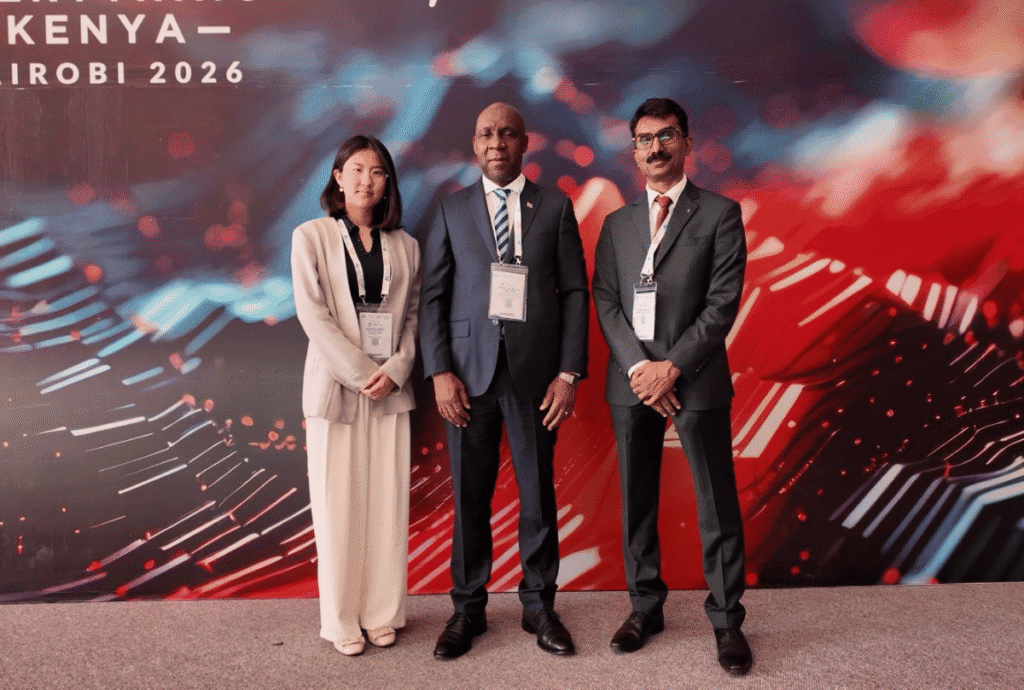
Mozambique has taken a significant step toward positioning itself within Africa’s fast-growing artificial intelligence ecosystem by presenting a draft National Artificial Intelligence (AI) Strategy during a regional digital innovation workshop organized by the International Telecommunication Union (ITU) in Kenya.
The presentation reflects a wider continental movement where African countries are actively developing national AI policies to guide ethical adoption, strengthen digital economies, and ensure that emerging technologies are used responsibly and inclusively.
The ITU workshop brought together policymakers, digital experts, and government representatives from across Africa to discuss AI governance, digital transformation, and innovation frameworks. Mozambique’s participation signals its commitment to joining the global conversation on AI regulation and digital development.
As artificial intelligence continues to reshape industries such as healthcare, agriculture, education, and governance, countries like Mozambique are now focusing on how to prepare their economies and institutions for the next wave of technological change.
Mozambique’s Entry Into Structured AI Governance
Mozambique is currently building its national digital transformation foundation, and the introduction of a draft AI strategy represents an important milestone in that journey.
Like many developing economies, Mozambique is seeking to balance innovation with regulation, ensuring that AI systems are deployed in ways that support development while protecting citizens’ rights.
The draft strategy is expected to serve as a guiding framework for:
- Responsible AI development and deployment
- Digital economy growth
- Public sector modernization
- Data protection and governance
- Innovation ecosystem development
- Capacity building and digital skills
By presenting the draft at an ITU workshop, Mozambique is aligning itself with global best practices and gaining technical input from international stakeholders.
Why the ITU Workshop in Kenya Matters
The International Telecommunication Union (ITU), a United Nations specialized agency for information and communication technologies, regularly organizes digital innovation workshops across regions to support member states in shaping ICT and AI policy.
The workshop held in Kenya focused on:
- Artificial intelligence governance frameworks
- Digital transformation strategies
- Emerging technology regulation
- Cross-border digital cooperation
- Capacity building for policymakers
- Inclusive digital development
Kenya has increasingly become a hub for digital policy discussions in Africa, thanks to its strong fintech ecosystem, innovation culture, and active participation in ICT development programs.
For Mozambique, presenting its draft AI strategy in such a forum provides three key benefits:
1. Policy Validation: Receiving feedback from regional and global experts
2. Knowledge Exchange: Learning from countries with more advanced AI frameworks
3. Collaboration Opportunities: Building partnerships for implementation support
This collaborative approach is critical for countries still developing their digital governance systems.
Key Pillars of Mozambique’s Draft AI Strategy
While Mozambique’s draft AI strategy is still under development, it is expected to follow global AI governance trends seen in frameworks developed by organizations such as UNESCO, the African Union, and the ITU itself.
Based on typical AI policy structures in emerging economies, Mozambique’s strategy is likely built around several core pillars:
1. Ethical and Responsible AI Use
A central focus of most national AI strategies is ensuring that AI systems are transparent, fair, and accountable.
For Mozambique, this includes:
- Preventing algorithmic bias
- Ensuring human oversight of AI systems
- Protecting citizens’ privacy
- Promoting transparency in AI decision-making
This aligns with global efforts to ensure AI serves humanity rather than undermining trust or rights.
2. Digital Infrastructure and Connectivity
AI systems rely heavily on strong digital infrastructure.
Mozambique’s strategy is expected to emphasize:
- Expanding broadband access
- Improving rural connectivity
- Strengthening data infrastructure
- Supporting cloud computing adoption
Without reliable infrastructure, AI adoption remains limited to urban centers, which increases inequality.
3. Skills Development and Human Capital
One of the biggest challenges for African countries is the shortage of advanced digital skills.
The AI strategy is expected to focus on:
- AI literacy programs
- Coding and data science education
- University-industry partnerships
- Training government officials in digital technologies
Developing local talent is essential for long-term AI sustainability.
4. Public Sector Digital Transformation
AI can significantly improve government efficiency.
Mozambique may explore AI applications in:
- Healthcare systems
- Agricultural planning
- Education delivery
- Tax and revenue systems
- Public service automation
This would help improve service delivery and reduce operational inefficiencies.
5. Innovation and Private Sector Growth
A strong AI ecosystem depends on innovation from startups and private companies.
The strategy is likely to encourage:
- AI startup development
- Innovation hubs and incubators
- Investment in tech ecosystems
- Public-private partnerships
This helps create jobs and stimulates economic growth.
Africa’s Growing AI Policy Movement
Mozambique is part of a broader wave of African countries developing national AI strategies.
Across the continent:
- Kenya is strengthening AI and data governance discussions
- Nigeria is developing digital economy frameworks
- South Africa is exploring AI policy and ethics
- Egypt is investing in AI research and innovation
This signals a major shift in Africa’s digital landscape.
Instead of simply adopting foreign technologies, African countries are now actively shaping how AI should be governed and used within their own contexts.
The African Union has also emphasized the importance of coordinated AI governance to ensure that the continent is not left behind in the global AI revolution.
Opportunities for Mozambique
If implemented effectively, Mozambique’s AI strategy could unlock several opportunities:
1. Economic Growth
AI can improve productivity in agriculture, logistics, and natural resource management—key sectors of Mozambique’s economy.
2. Improved Public Services
Automation and data-driven systems can enhance healthcare delivery, education quality, and administrative efficiency.
3. Job Creation
The development of AI ecosystems can create new jobs in software engineering, data analysis, cybersecurity, and digital services.
4. Global Integration
A structured AI policy helps Mozambique attract international partnerships and investment in technology sectors.
Challenges Facing AI Development in Mozambique
Despite its potential, Mozambique faces several structural challenges that could affect AI adoption:
1. Limited Infrastructure
Internet access and computing infrastructure are still developing in many regions.
2. Skills Gap
There is a shortage of advanced AI and data science professionals.
3. Funding Constraints
AI development requires significant investment in research and infrastructure.
3. Digital Inequality
Urban areas are more connected than rural regions, creating unequal access to technology.
4. Regulatory Capacity
Developing effective AI laws requires technical expertise and institutional readiness.
Addressing these challenges will require long-term planning and strong international cooperation.
Role of International Partners
Organizations like the ITU play a critical role in supporting countries like Mozambique by:
- Providing technical expertise
- Supporting policy development
- Offering training and capacity building
- Facilitating international collaboration
Partnerships with global institutions help ensure that national AI strategies are realistic, implementable, and aligned with international standards.
What Happens Next for Mozambique
After presenting its draft strategy, Mozambique is expected to move into the next phase of policy development, which includes:
- Stakeholder consultations
- Refinement of policy frameworks
- Alignment with national development plans
- Pilot AI projects in selected sectors
- Final approval and implementation roadmap
This process is crucial to ensure that the strategy is not just theoretical but can be effectively applied.
Conclusion
Mozambique’s presentation of its draft National AI Strategy at the ITU Digital Innovation Workshop in Kenya represents an important step in the country’s digital transformation journey.
It reflects a growing recognition that artificial intelligence will play a central role in shaping economic development, governance systems, and innovation ecosystems across Africa.
While challenges remain in infrastructure, skills, and funding, Mozambique’s proactive approach shows its intention to participate in the global AI economy in a structured and responsible way.
As Africa continues to develop its digital future, initiatives like this demonstrate how countries are moving from technology consumers to active policy shapers in the global AI landscape.
Frequently Asked Questions (FAQ)
-
What is Mozambique’s draft AI strategy about?
It is a policy framework designed to guide the responsible development, regulation, and use of artificial intelligence in Mozambique.
-
Why was it presented at an ITU workshop in Kenya?
The ITU workshop provides a platform for countries to share ideas, receive feedback, and collaborate on digital and AI policy development.
-
What is the ITU?
The International Telecommunication Union (ITU) is a UN agency that supports global development of information and communication technologies.
-
Why is AI important for Mozambique?
AI can improve public services, boost economic productivity, and support innovation in key sectors like agriculture and healthcare.
-
What challenges does Mozambique face in AI development?
Challenges include limited infrastructure, skills shortages, funding constraints, and digital inequality.
-
How does this strategy help the economy?
It can create jobs, attract investment, improve productivity, and modernize government systems.
-
What happens after the draft strategy?
It will go through consultations, revisions, and implementation planning before becoming a national policy.
-
Is Mozambique working alone on this?
No. The country is collaborating with international organizations like the ITU and other regional partners.
About The Author