








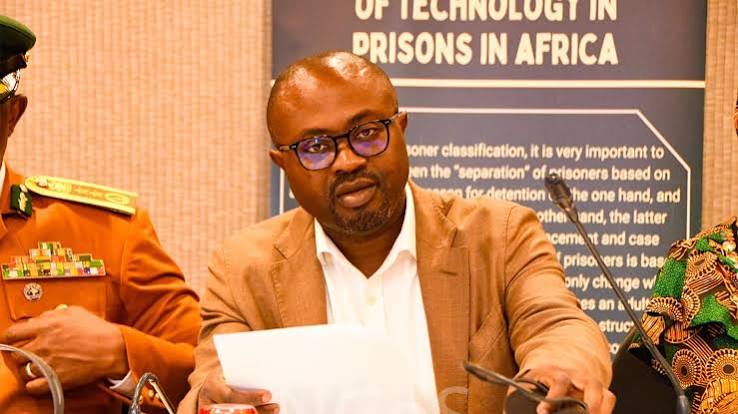
Abuja once again highlighted Nigeria’s growing influence in correctional administration as it hosted the African Correctional Services Association (ACSA), in partnership with the United Nations Office on Drugs and Crime (UNODC), Regional Conference from July 15 to 17, 2026. The three-day event brought together heads of prisons, penitentiaries, and correctional services, alongside policymakers, administrators, development partners, researchers, and criminal justice experts from across Africa and beyond. The conference focused on two key issues shaping the future of corrections on the continent: prisoner classification and the use of technology in correctional systems.
The gathering served as a platform for African countries to exchange ideas, share experiences, and assess progress in modernising correctional institutions. With rising prison populations, overcrowding, security challenges, and increasing demands for rehabilitation and reintegration, participants agreed that technology has become essential for effective inmate management and institutional security. Discussions underscored the importance of embracing innovation while upholding internationally accepted standards for the humane treatment of inmates.
Declaring the conference open, the Minister of Interior, Dr. Olubunmi Tunji-Ojo, delivered a keynote address outlining the transformation within the Nigerian Correctional Service (NCoS). He presented data on the scale of Nigeria’s custodial operations and highlighted reforms aimed at improving efficiency, transparency, and security. He noted that technology plays a central role in addressing longstanding challenges such as jailbreaks, poor record management, delayed case tracking, and weak institutional coordination.
The Minister explained that the deployment of digital solutions has strengthened custodial security and improved decision-making across correctional facilities. He emphasised that technology is now a necessity for modern correctional systems, especially as criminal networks adopt more advanced methods. He also urged African governments to recognise correctional services as critical institutions for public safety, national security, and sustainable development, rather than merely places of confinement.
A key outcome of the conference was the opportunity for participating countries to learn from one another. Delegates reviewed correctional practices, shared successes, discussed policy gaps, and explored new approaches to offender management. This collaborative environment reflected a shared commitment to improving correctional administration across Africa.
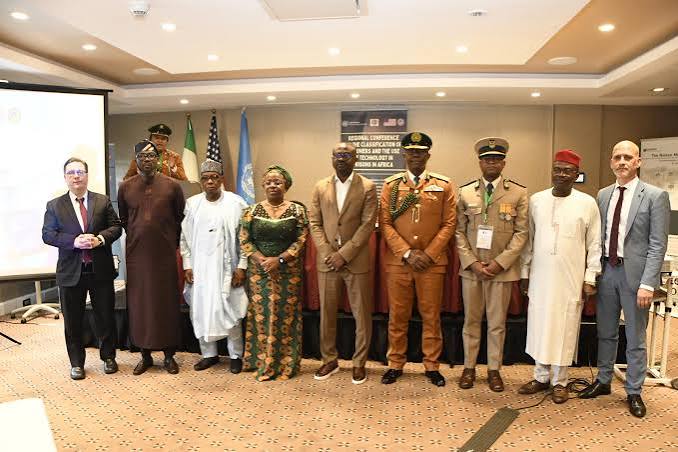
Representing countries showcased their offender management systems, revealing varying levels of technological advancement in areas such as inmate custody, rehabilitation, sentence administration, healthcare, education, vocational training, and reintegration planning. These presentations highlighted both progress and existing gaps, with participants agreeing that continued knowledge exchange would accelerate reforms across the continent.
Nigeria’s presentation stood out, particularly with the demonstration of its Correctional Information Management System (CIMS). This comprehensive digital platform, built on about twelve integrated modules, manages key aspects of offender administration, including inmate admission, classification, biometric identification, sentence computation, healthcare, rehabilitation programmes, movement control, case management, and release procedures. The system reflects Nigeria’s commitment to a data-driven correctional framework capable of addressing modern security and rehabilitation needs.
With 256 custodial centres nationwide, Nigeria demonstrated that large-scale digital transformation is achievable. Participants acknowledged that the scope and sophistication of the CIMS position Nigeria among the leading countries in applying technology to correctional administration. Many delegates expressed interest in adopting elements of the Nigerian model in their own systems.
The conference also placed strong emphasis on prisoner classification as a foundation for effective correctional management. Experts noted that proper classification allows authorities to separate inmates based on factors such as security risk, criminal history, vulnerability, age, gender, health, and rehabilitation needs. This approach enhances both security and rehabilitation outcomes.
Despite progress, participants identified ongoing challenges affecting correctional systems across Africa. Chief among these is the limited political and societal attention given to prisons and correctional services. Delegates observed that these institutions often receive less funding and policy focus compared to other security agencies, leading to ageing infrastructure, overcrowding, staff shortages, limited rehabilitation programmes, and slow adoption of technology.
Participants called on governments to reposition correctional services as strategic national institutions requiring sustained investment. They stressed that meaningful criminal justice reform depends on well-resourced systems capable of securely managing offenders while preparing them for reintegration. Investment in corrections, they noted, contributes to safer communities, reduced reoffending, and stronger public trust in justice systems.
One major recommendation from the conference was the creation of a dedicated governance platform for prisons and correctional services within regional organisations such as the African Union (AU), ECOWAS, and the Southern African Development Community (SADC). This platform would bring together ministers, correctional leaders, and stakeholders to address challenges, harmonise policies, and coordinate reforms across the continent.
Delegates also highlighted the urgent need for continued investment in digital infrastructure, including information systems, secure communication networks, surveillance technologies, biometric tools, and integrated databases. They emphasised that alongside technology, continuous training and capacity building for correctional personnel are essential to ensure effective implementation.
The conference concluded with the adoption of a communiqué outlining shared commitments to strengthen cooperation, promote evidence-based offender management, improve classification systems, expand digital transformation, and advocate for greater government support. It also encouraged ongoing collaboration with international partners such as UNODC, INL, and ICRC to advance professional, secure, and humane correctional systems in Africa.
As the conference ended, Nigeria emerged not only as a successful host but also as a leader in correctional innovation. This progress reflects the leadership of the Minister of Interior, Dr. Olubunmi Tunji-Ojo, whose reform agenda has driven digital transformation within the Nigerian Correctional Service, and the Controller-General of Corrections, Sylvester Ndidi Nwakuche, whose implementation efforts have translated policy into measurable results. Together, their leadership has positioned Nigeria as a model for correctional modernisation across Africa, reinforcing its commitment to building a secure, technology-driven, and professionally managed correctional system aligned with global best practices.
About The Author