









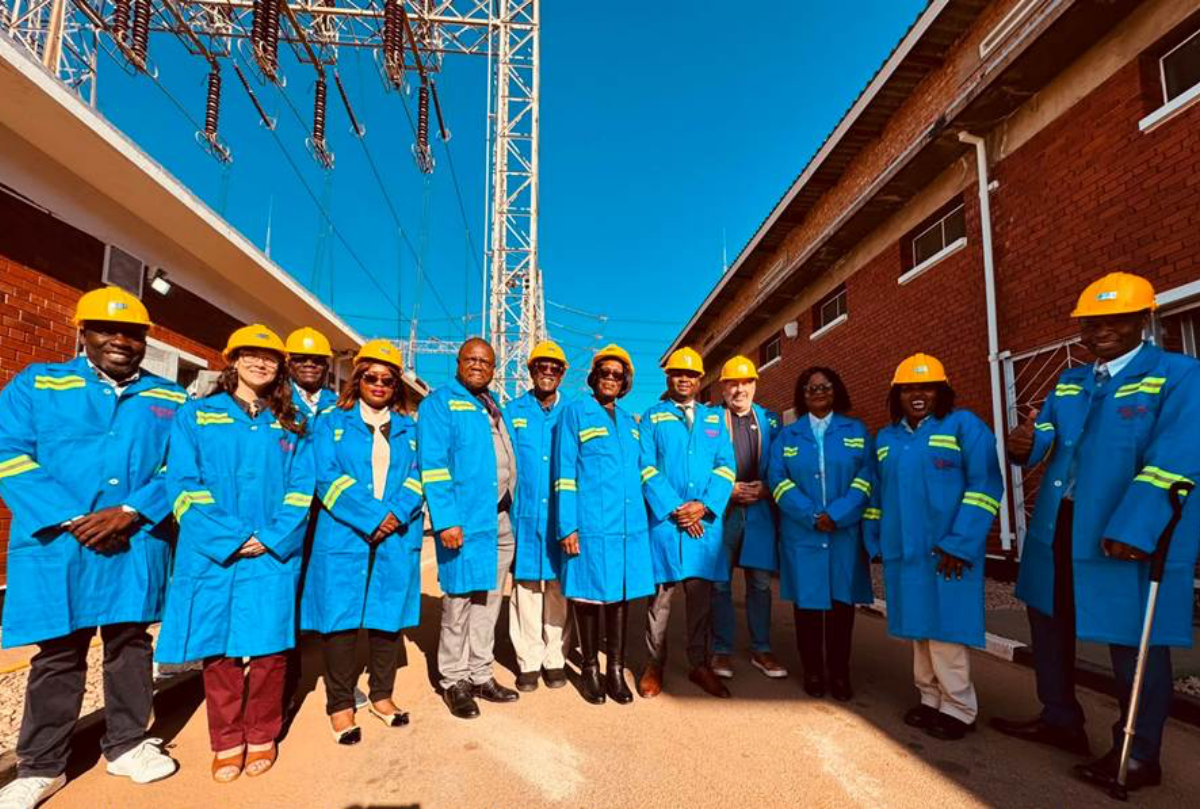
Powertel and Paratus Launch First Live Cross Border Fibre Link Connecting Zimbabwe to Southern Africa
Powertel Communications and Paratus Zimbabwe have activated the first phase of a major cross border fibre infrastructure project, marking a significant milestone in Zimbabwe’s digital transformation and regional connectivity.
The newly operational high capacity fibre route is now carrying live traffic and forms the first stage of a digital corridor that will connect Zimbabwe with Botswana, Zambia, South Africa, and the wider Paratus network across Southern Africa.
The project is expected to strengthen regional telecommunications infrastructure, improve internet connectivity, support digital inclusion, and drive long term economic growth across the region.
A Major Milestone in a Strategic Partnership
The live fibre route represents the first major achievement of the public private partnership (PPP) agreement signed in June 2025 between Powertel Communications and Paratus Zimbabwe.
Under the agreement, both companies are jointly investing in the development of a modern, high capacity fibre network spanning Zimbabwe.
Powertel contributes its nationwide fibre backbone and local infrastructure, while Paratus provides continental network access, advanced telecommunications technology, technical expertise, and experience in building resilient digital infrastructure across Africa.
The partnership combines local ownership with international connectivity, creating a scalable network that supports future digital growth.
Connecting Zimbabwe to Africa’s Digital Network
The first operational segment stretches between Plumtree and Bulawayo, creating the first active fibre route that directly connects Zimbabwe to the broader Paratus network.
The connection strengthens Zimbabwe’s position within Southern Africa’s digital ecosystem by enabling faster, more reliable cross border communications.
Once fully completed, the corridor will link Botswana, Zimbabwe, and Zambia through a continuous high speed telecommunications network, providing businesses, internet service providers, governments, and communities with improved regional connectivity.
Built for High Capacity and Future Growth
The network uses advanced Dense Wavelength Division Multiplexing (DWDM) technology, allowing multiple data streams to travel simultaneously over a single fibre optic cable.
The infrastructure is designed to support capacities exceeding 10 terabits per second (Tbps), making it one of the region’s most scalable telecommunications projects.
The first operational phase has launched with an initial equipped capacity of 800 gigabits per second (Gbps), providing substantial bandwidth while allowing room for future expansion as internet demand continues to grow.
Next Phase Already Underway
Construction of the second phase is already progressing.
The next stage will extend the fibre corridor from Bulawayo to Livingstone, Zambia, completing a strategic three country digital connection linking Botswana, Zimbabwe, and Zambia.
The new section is expected to become operational in September 2026, further strengthening regional network resilience and expanding digital opportunities throughout Southern Africa.
Supporting Zimbabwe’s Digital Economy
According to Powertel Communications, the project represents more than a telecommunications upgrade.
The new fibre corridor supports Zimbabwe’s Vision 2030, the National Development Strategy, and the country’s Digital Economy Strategy by strengthening the infrastructure needed for:
Digital commerce
Online education
Healthcare services
E government
Financial services
Industrial development
Cross border trade
The project also positions Zimbabwe as an important regional telecommunications gateway connecting several Southern African countries.
A Model for Regional Infrastructure Development
The partnership is structured using an Indefeasible Right of Use (IRU) commercial model, allowing Powertel to retain ownership and operational control of the national infrastructure while leveraging Paratus’ financial investment and continental network expertise.
The companies believe this approach creates a sustainable model for financing and expanding large scale telecommunications infrastructure across Africa.
By combining public infrastructure with private sector investment, the project demonstrates how collaborative partnerships can accelerate digital transformation while strengthening regional integration.
Driving Connectivity Across Southern Africa
As work continues on the remaining phases of the corridor, the project is expected to improve network reliability, encourage investment, support innovation, and expand digital participation across Southern Africa.
The successful deployment of the first live cross border fibre route represents an important step toward building a more connected African digital economy capable of supporting future technological growth and regional development.
Frequently Asked Questions (FAQs)
1. What is the Powertel and Paratus fibre project?
It is a cross border fibre optic infrastructure project designed to connect Zimbabwe with Botswana, Zambia, South Africa, and the wider Southern African telecommunications network.
2. Why is this project important?
The project improves regional internet connectivity, strengthens telecommunications infrastructure, supports digital transformation, and promotes economic integration across Southern Africa.
3. What is the first operational route?
The first live fibre connection links Plumtree and Bulawayo in Zimbabwe and is now actively carrying telecommunications traffic.
4. What technology does the network use?
The network uses Dense Wavelength Division Multiplexing (DWDM) technology, which enables extremely high capacity data transmission over fibre optic cables.
5. How much data capacity does the network provide?
The infrastructure is designed to support more than 10 terabits per second, while the first operational phase begins with an equipped capacity of 800 gigabits per second.
6. When will the next phase be completed?
The second phase connecting Bulawayo to Livingstone in Zambia is expected to become operational in September 2026.
7. How will businesses benefit?
Businesses will benefit from faster internet connectivity, improved network reliability, better regional communication, lower latency, and increased opportunities for digital trade and cloud services.
8. What is an IRU in telecommunications?
An Indefeasible Right of Use (IRU) is a long term commercial agreement that grants a company the right to use telecommunications infrastructure for an extended period while ownership remains with the infrastructure provider.
9. How does this project support Zimbabwe’s digital economy?
The fibre corridor strengthens the country’s digital infrastructure, enabling growth in education, healthcare, financial services, e government, commerce, innovation, and industrial development.
10. Why is regional fibre connectivity important?
Cross border fibre networks improve internet performance, increase resilience, support international data traffic, encourage investment, reduce communication costs, and help build an integrated digital economy across multiple countries.
About The Author