








Smart Africa and AFNIC Partner to Improve Africa’s Domain Systems and Internet Infrastructure
Smart Africa and the French Network Information Centre (AFNIC) have entered into a strategic partnership aimed at strengthening Africa’s internet infrastructure through improved domain name management, cybersecurity cooperation, and technical capacity development.
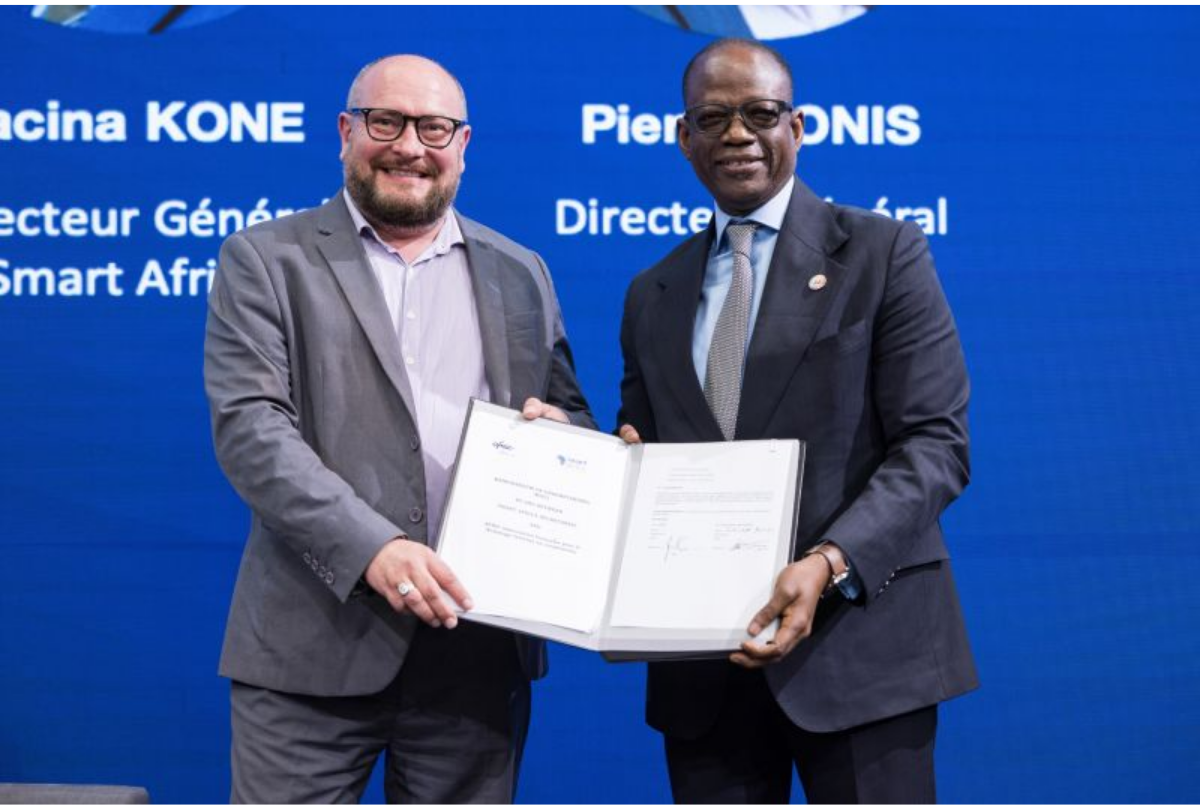
The collaboration was formalised through a Memorandum of Understanding (MoU) signed in Geneva by Lacina Koné, Chief Executive Officer of Smart Africa, and Pierre Bonis, Director General of AFNIC.
The partnership is expected to support the growth of a stronger, safer, and more reliable digital ecosystem across the continent.
Strengthening African Domain Name Registries
A major focus of the agreement is building the capacity of African country code top-level domain (ccTLD) operators.
ccTLDs are national domain extensions such as country-specific internet addresses that represent individual nations. Effective management of these systems is essential for maintaining trusted digital identities, supporting local online businesses, and strengthening national internet ecosystems.
Through the partnership, Smart Africa and AFNIC will help African domain registry operators improve their technical capabilities, operational sustainability, and adoption of international best practices.
Enhancing Internet Security and DNS Resilience
The collaboration will also focus on improving the security and reliability of the Domain Name System (DNS), a core part of internet infrastructure that allows users to access websites and online platforms.
A secure DNS environment helps protect users from cyber threats, improves online service availability, and strengthens trust in digital services.
Smart Africa and AFNIC will work together to promote stronger cybersecurity practices and improve the resilience of Africa’s internet infrastructure.
Supporting Modern Internet Governance
The partnership aims to accelerate the modernisation of internet registries across African countries by encouraging the adoption of advanced technologies and improved management practices.
Areas of focus include:
• Strengthening technical expertise among registry operators
• Improving domain management systems
• Enhancing cybersecurity capabilities
• Supporting efficient internet governance practices
• Promoting reliable digital infrastructure
These efforts are expected to contribute to Africa’s broader digital transformation goals by creating a stronger foundation for online services, innovation, and economic growth.
Building a More Connected Digital Future for Africa
Smart Africa said the agreement represents an important step toward developing a secure and modern internet ecosystem across the continent.
By combining Smart Africa’s continental digital transformation initiatives with AFNIC’s expertise in internet registry management, the partnership aims to empower African institutions with the knowledge and tools needed to manage critical internet resources effectively.
As more Africans gain access to digital services, stronger internet infrastructure will play an increasingly important role in supporting businesses, governments, and communities across the continent.
________________________________________
Frequently Asked Questions (FAQs)
1. What is the Smart Africa and AFNIC partnership about?
The partnership focuses on strengthening Africa’s internet infrastructure through better domain name management, cybersecurity improvements, and technical capacity building.
2. What is AFNIC?
AFNIC is the French Network Information Centre responsible for managing France’s country code top-level domain and supporting internet registry development and best practices.
3. What are country code top-level domains (ccTLDs)?
Country code top-level domains are internet domain extensions assigned to specific countries, such as .fr for France or other national domain extensions used by countries around the world.
4. Why are ccTLDs important for Africa’s digital growth?
Strong ccTLD management helps countries build trusted digital identities, support local online businesses, improve internet governance, and strengthen national digital ecosystems.
5. What role does cybersecurity play in the partnership?
The partnership aims to improve DNS security and internet resilience, helping protect online services from cyber threats and ensuring reliable access to digital platforms.
6. What is the Domain Name System (DNS)?
The DNS is the internet system that translates website names into the numerical addresses computers use to locate online services.
7. How will African countries benefit from this collaboration?
African countries will benefit from improved technical skills, stronger internet registry operations, enhanced cybersecurity practices, and more reliable digital infrastructure.
8. How does this partnership support digital transformation in Africa?
Reliable internet infrastructure is essential for digital services, e-commerce, online education, innovation, and economic development. The partnership helps create a stronger foundation for these activities.
9. Will the partnership improve internet access in Africa?
The partnership focuses mainly on strengthening internet infrastructure and governance. While it does not directly provide internet connections, stronger infrastructure can support better digital services and connectivity growth.
10. Why is internet governance important for Africa’s digital future?
Effective internet governance ensures that digital systems remain secure, reliable, and sustainable while supporting innovation and responsible growth of the digital economy.
About The Author