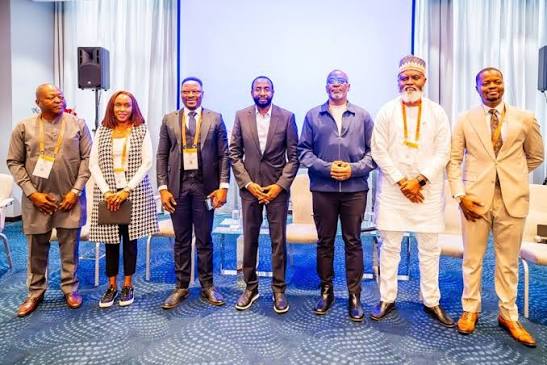










As artificial intelligence continues to reshape how people communicate, a Nigerian startup is making a significant contribution to accessibility and digital inclusion. Talksign, an emerging AI company focused on assistive communication technologies, has unveiled real-time sign language translation models designed to bridge communication gaps between Deaf and hearing communities.
The launch represents a major step forward for accessibility technology in Africa, where millions of people living with hearing impairments often face barriers in education, healthcare, employment, and access to digital services. By leveraging advances in artificial intelligence, computer vision, and natural language processing, Talksign aims to make communication more seamless and inclusive.
The development comes at a time when governments, technology companies, and international organizations are increasingly prioritizing digital inclusion as a critical component of sustainable development. For Nigeria, the emergence of a locally developed AI-powered sign language translation solution demonstrates the growing maturity of the country’s technology ecosystem and its ability to create solutions tailored to local challenges.
This article explores Talksign’s innovation, how the technology works, its potential impact on accessibility, and what it means for the future of digital inclusion in Africa.

The Need for Inclusive Communication Technologies
According to global health estimates, hundreds of millions of people worldwide experience hearing loss, with many relying on sign language as their primary means of communication.
Despite advances in digital technology, communication barriers remain common in areas such as:
- Education
- Healthcare
- Banking and financial services
- Government services
- Customer support
- Employment environments
For many Deaf individuals, accessing information often requires interpreters, specialized support services, or communication tools that are not always available.
In many African countries, the situation is even more challenging due to limited accessibility infrastructure and insufficient investment in assistive technologies.
This is where innovations like Talksign’s real-time translation models become important. By enabling more direct communication between sign language users and hearing individuals, the technology has the potential to reduce barriers and promote greater participation in society.
What Is Talksign?
Talksign is a Nigerian technology startup focused on developing artificial intelligence solutions that improve accessibility and communication for Deaf and hard-of-hearing communities.
The company specializes in applying AI and computer vision technologies to recognize sign language gestures and convert them into understandable text or speech outputs in real time.
Its mission centers on making communication more accessible across digital platforms, workplaces, educational institutions, and public services.
By building solutions specifically designed for local and regional contexts, Talksign is helping address a longstanding gap in Africa’s accessibility technology landscape.
Understanding Real-Time Sign Language Translation
Real-time sign language translation refers to the use of AI systems that can recognize signed gestures as they occur and instantly convert them into another form of communication, such as text or spoken language.
Unlike traditional communication tools that rely on pre-recorded content or human interpreters, real-time systems process information continuously, allowing conversations to happen more naturally.
The process generally involves several technologies working together:
1. Computer Vision
The system uses cameras to capture hand movements, body posture, and facial expressions.
2. Gesture Recognition
AI models analyze visual data to identify specific signs and gestures.
3. Natural Language Processing
The recognized signs are interpreted and translated into meaningful language.
4. Real-Time Output
The translated message is delivered immediately as text, audio, or another accessible format.
This combination of technologies creates a more dynamic communication experience and helps facilitate direct interaction between users.
Why Sign Language Translation Is Challenging
Building effective sign language translation systems is significantly more complex than translating spoken languages.
Several factors contribute to this challenge:
1. Sign Languages Are Unique Languages
Sign languages have their own grammar, syntax, and linguistic structures. They are not simply visual representations of spoken languages.
2. Regional Variations
Different countries and regions use different sign languages.
Examples include:
- Nigerian Sign Language
- American Sign Language (ASL)
- British Sign Language (BSL)
- South African Sign Language
Each has unique characteristics and vocabulary.
Facial Expressions Matter
Meaning in sign language often depends on facial expressions, eye movements, and body posture in addition to hand gestures.
Limited Training Data
AI systems require large datasets for training. Sign language datasets are often smaller and less standardized than speech datasets.
Because of these challenges, developing accurate real-time translation models requires substantial research, testing, and community collaboration.
How Talksign’s Innovation Supports Digital Inclusion
Digital inclusion refers to ensuring that all individuals, regardless of physical ability, have equal access to technology and digital services.
Talksign’s solution contributes to digital inclusion in several important ways.
1. Improving Access to Information
Sign language users can receive information more efficiently through accessible digital channels.
2. Enhancing Communication
The technology helps reduce communication barriers between Deaf and hearing individuals.
3. Supporting Equal Participation
Accessible communication tools create more opportunities for participation in education, employment, and public life.
4. Encouraging Independence
Users can engage with services and platforms more independently without relying exclusively on interpreters.
Potential Applications of Talksign’s Technology
The practical applications of real-time sign language translation are extensive.
1. Education
Schools and online learning platforms can use the technology to make lessons more accessible.
Potential benefits include:
- Improved classroom participation
- Better access to learning materials
- Enhanced communication with educators
2. Healthcare
Communication challenges in healthcare settings can have serious consequences.
AI-powered translation tools may help facilitate:
- Patient consultations
- Medical information delivery
- Telemedicine interactions
3. Customer Service
Businesses can use accessibility tools to improve customer engagement and support services for Deaf customers.
4. Government Services
Public institutions can provide more inclusive digital services through accessible communication platforms.
5. Workplace Collaboration
Organizations can use real-time translation technology to support communication among employees with diverse communication needs.
The Growing Role of AI in Accessibility
Artificial intelligence is increasingly being used to create solutions that improve accessibility for people with disabilities.
Examples include:
- Speech-to-text applications
- Text-to-speech systems
- Image recognition tools
- AI-powered screen readers
- Assistive communication platforms
These innovations are helping remove barriers that have historically limited participation in education, employment, and public life.
Talksign’s work reflects this broader trend and highlights how AI can be applied to address real-world social challenges.
Nigeria’s Emerging AI Ecosystem
The launch of Talksign’s translation models also reflects the rapid growth of Nigeria’s technology ecosystem.
Nigeria has become one of Africa’s leading innovation hubs, producing startups in sectors such as:
- Fintech
- Health technology
- Edtech
- Artificial intelligence
- E-commerce
Increasing investment in technology education, startup incubation, and digital infrastructure has created an environment where innovative solutions can emerge.
Talksign’s accessibility-focused approach demonstrates that Nigerian startups are not only building commercial products but also addressing important societal challenges.
Challenges and Opportunities Ahead
While the potential of AI-powered sign language translation is significant, several challenges remain.
1. Accuracy and Reliability
Translation systems must achieve high levels of accuracy to ensure effective communication.
2. Language Coverage
Supporting multiple sign languages and regional variations requires extensive training data.
3. Accessibility Infrastructure
Successful deployment depends on widespread access to digital devices and internet connectivity.
4. Privacy Considerations
Video-based communication systems must ensure that user data is handled securely and responsibly.
Despite these challenges, the opportunities are substantial.
As AI technology continues to improve, accessibility tools are expected to become more accurate, affordable, and widely available.
The Future of Sign Language Translation Technology
The future of AI-driven sign language translation is promising.
Potential advancements may include:
- More accurate gesture recognition
- Support for additional sign languages
- Mobile-first accessibility applications
- Integration with video conferencing platforms
- Wearable accessibility technologies
- AI-powered multilingual translation systems
As these technologies mature, they could fundamentally transform how Deaf and hearing communities communicate with one another.
Conclusion
Talksign’s unveiling of real-time sign language translation models marks an important milestone in Nigeria’s growing AI and accessibility landscape.
By combining artificial intelligence, computer vision, and language technologies, the startup is addressing a critical need for more inclusive communication tools.
The innovation has the potential to improve access to education, healthcare, employment, government services, and digital platforms for Deaf and hard-of-hearing individuals.
More importantly, it highlights how locally developed technology solutions can contribute to broader goals of digital inclusion and social equity.
As accessibility becomes an increasingly important aspect of digital transformation worldwide, initiatives like Talksign’s demonstrate the powerful role that African innovators can play in shaping a more inclusive technological future.
Frequently Asked Questions (FAQ)
-
What is Talksign?
Talksign is a Nigerian AI startup focused on developing accessibility technologies, including real-time sign language translation solutions.
-
What does Talksign’s new technology do?
The technology uses artificial intelligence to recognize sign language gestures and translate them into text or speech in real time.
-
Why is real-time sign language translation important?
It helps reduce communication barriers between Deaf and hearing individuals, making information and services more accessible.
-
How does the technology work?
It combines computer vision, gesture recognition, machine learning, and natural language processing to interpret sign language and generate translations.
-
Who can benefit from this technology?
Deaf and hard-of-hearing individuals, educators, healthcare providers, businesses, government agencies, and organizations seeking more inclusive communication solutions.
-
Can it replace human interpreters?
The technology is designed as an assistive tool. Human interpreters may still be necessary in complex or high-stakes situations.
-
What industries can use sign language translation technology?
Education, healthcare, customer service, banking, government services, workplace communication, and digital platforms.
-
Why is this significant for Nigeria?
It demonstrates the growing capability of Nigeria’s AI ecosystem to create innovative solutions that address local and global challenges while promoting digital inclusion.
About The Author