








Egypt and Rwanda Strengthen Partnership on AI, Digital Transformation and Skills Development
Egypt and Rwanda are deepening their collaboration on artificial intelligence (AI), digital transformation and digital skills development as both countries seek to accelerate Africa’s digital future through stronger regional cooperation.
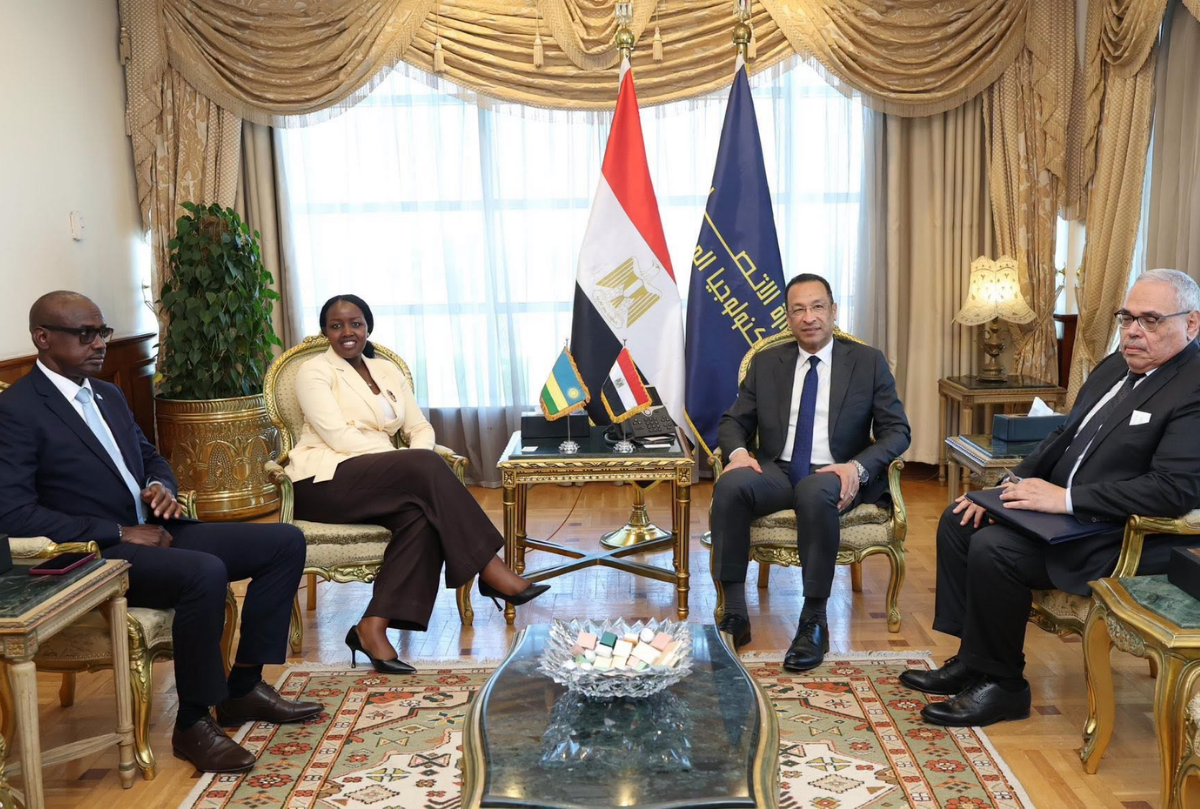
During a high level meeting, Raafat Hendy and Paula Ingabire, with the participation of Dan Munyuza, discussed new opportunities to expand bilateral cooperation across key technology sectors while supporting the continent’s broader digital transformation agenda.
A key outcome of the discussions was a shared commitment to developing a responsible and inclusive African approach to artificial intelligence. The ministers explored the possibility of launching pilot AI projects in strategic sectors including healthcare, agriculture, digital public services and local language technologies. These initiatives are expected to demonstrate how AI can deliver practical solutions to real development challenges while supporting sustainable economic growth across Africa.
The meeting also highlighted the importance of strengthening collaboration between public institutions, universities, research centres and innovation hubs in both countries. Proposed partnerships include cooperation with Egypt University of Informatics, the Applied Innovation Center and the Information Technology Institute to promote research, digital innovation and government digitalisation initiatives.
To formalise the partnership, both governments agreed to work towards signing a Memorandum of Understanding (MoU) that will establish a structured framework for cooperation in information and communications technology (ICT). The agreement is expected to promote knowledge exchange, joint research, innovation programmes and digital capacity building.
Hendy reaffirmed Egypt’s commitment to supporting Africa’s AI ecosystem, highlighting the country’s active participation in the African Union AI Working Group and the Smart Africa AI Council. He noted that Egypt’s National AI Strategy has helped accelerate AI adoption across several industries while developing a growing pool of skilled AI professionals. He also expressed Egypt’s willingness to share its expertise with Rwanda and other African countries.
Ingabire welcomed the stronger partnership, describing Egypt as an important strategic partner in Africa’s digital transformation journey. She emphasized that deeper collaboration in AI, digital government and digital skills development will help drive innovation, improve public services and create new economic opportunities across the continent.
The meeting also explored opportunities for closer coordination on regional and global AI governance discussions, enabling African countries to present unified positions on emerging international AI policies. Participants reviewed Egypt’s ongoing programmes in AI innovation, freelancer development and digital skills training, including initiatives led by the Information Technology Institute to prepare talent for the evolving digital economy.
The discussions reflect the growing commitment by both countries to position Africa as an active contributor to the global AI landscape through stronger regional partnerships, innovation and talent development.
Frequently Asked Questions (FAQs)
1. What was the main purpose of the meeting between Egypt and Rwanda?
The meeting focused on strengthening cooperation in artificial intelligence, digital transformation, digital skills development and innovation while promoting Africa’s broader digital agenda.
2. Which sectors could benefit from the proposed AI collaboration?
The countries discussed pilot AI projects in healthcare, agriculture, local language technologies and digital government services.
3. Will Egypt and Rwanda sign a formal cooperation agreement?
Yes. Both countries agreed to prepare a Memorandum of Understanding (MoU) that will guide future collaboration in ICT, AI, research and digital innovation.
4. Which Egyptian institutions are expected to participate?
Potential partners include Egypt University of Informatics, the Applied Innovation Center and the Information Technology Institute, alongside other government and research institutions.
5. Why is AI governance an important part of the partnership?
AI governance helps ensure that artificial intelligence is developed and deployed responsibly, securely and ethically while protecting citizens and encouraging innovation.
6. How does this partnership support Africa’s digital transformation?
By sharing expertise, developing digital talent, launching joint AI projects and coordinating regional policies, both countries aim to strengthen Africa’s capacity to build and deploy homegrown digital solutions.
7. What role does Egypt currently play in Africa’s AI ecosystem?
Egypt participates in the African Union AI Working Group and the Smart Africa AI Council and has implemented a National AI Strategy focused on expanding AI adoption, innovation and workforce development.
8. Why are digital skills important to the collaboration?
Developing digital skills ensures that professionals, researchers and entrepreneurs have the expertise needed to build, deploy and manage emerging technologies, helping create jobs and support long-term economic growth across Africa.
About The Author