








How Mobile Money is Empowering the Unemployed and Expanding Financial Inclusion
Mobile money is transforming the lives of millions across Africa by creating income opportunities, expanding financial inclusion, and providing access to essential financial services for people who may otherwise be excluded from the formal economy. Beyond enabling fast and convenient payments, mobile money has become a powerful tool for entrepreneurship, employment, and economic resilience.
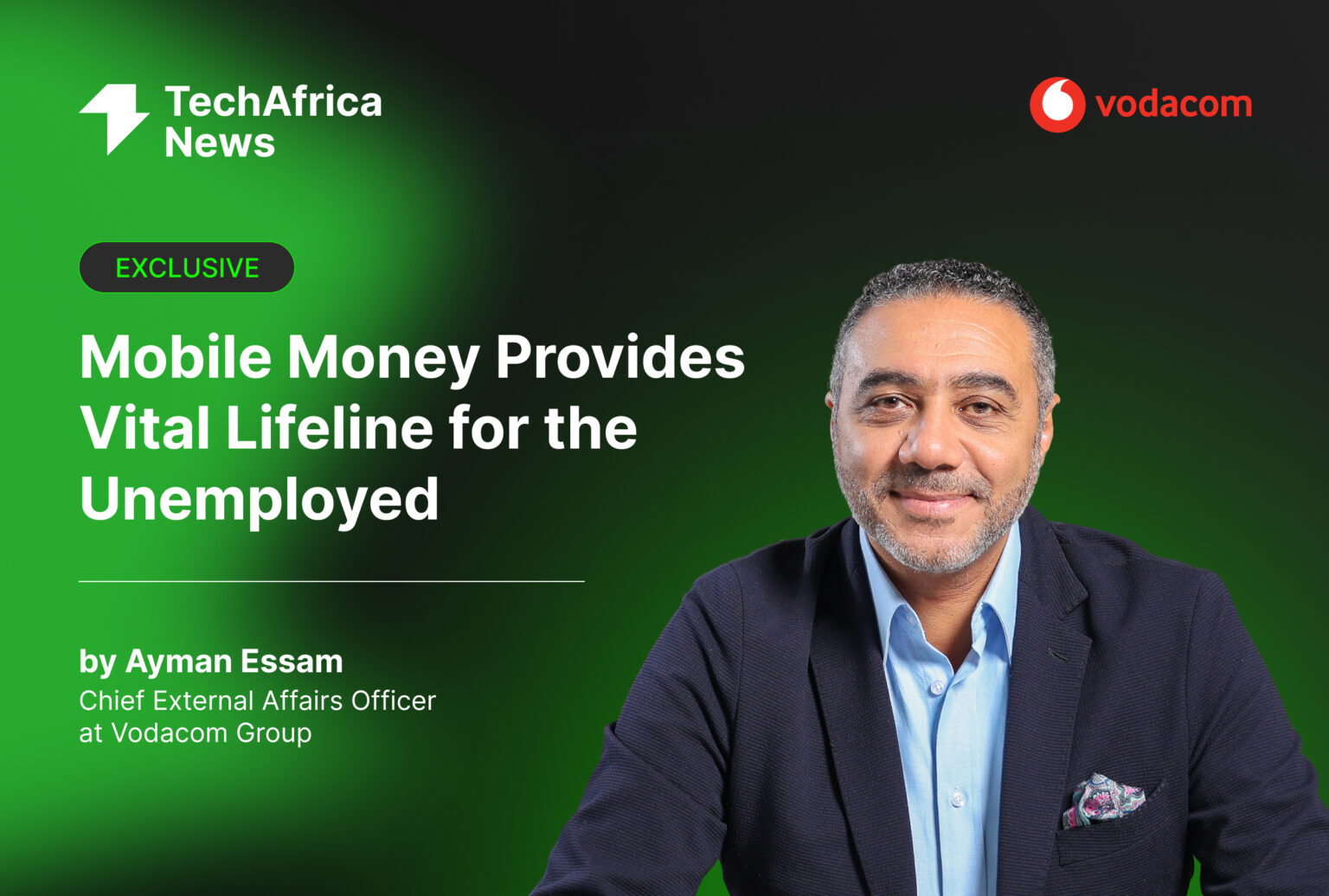
According to Ayman Essam, Chief External Affairs Officer at Vodacom Group, the mobile money ecosystem continues to serve as a lifeline for thousands of unemployed individuals by creating sustainable income opportunities through agent networks and digital financial services.
Mobile Money Opens New Income Opportunities
One such success story is Juliana Shilatu, a resident of Tanzania’s Shinyanga Region. Despite graduating from Kolandoto College of Health Sciences, she struggled for years to secure formal employment and support her family.
Her fortunes changed when she became an M-Pesa agent, investing an initial 600,000 Tanzanian shillings to start the business.
Over time, her mobile money business flourished, enabling her to:
• Earn a steady income
• Pay school fees for her children
• Cover household expenses
• Build her own home
• Purchase a personal vehicle
Her experience reflects the growing role mobile money is playing in improving livelihoods across Africa.
Mobile Money Continues to Drive Financial Inclusion
Although Tanzania has recorded strong economic growth in recent years, informal employment still accounts for approximately 94.6% of total employment, while the informal sector contributes nearly 45% of the country’s GDP.
Against this backdrop, mobile money has emerged as an important economic enabler.
Today, M-Pesa serves more than 14 million active monthly users in Tanzania and supports over 250,000 jobs, largely through its network of agents and independent entrepreneurs.
These agents act as the bridge between digital financial services and local communities by helping customers:
• Register mobile money accounts
• Deposit and withdraw cash
• Transfer funds
• Pay bills
• Access other digital financial services
Maintaining Mobile Money Infrastructure Comes at a Cost
While mobile money has become an essential part of everyday life, operating these services requires significant investment.
Providers must maintain nationwide agent networks, secure transaction platforms, customer support systems, and regulatory compliance programmes, including anti-money laundering controls and fraud prevention measures.
These ongoing investments ensure reliable, secure, and accessible digital financial services for millions of users.
Competition is Becoming More Complex
Vodacom notes that mobile money providers increasingly compete with both traditional banks and Over-the-Top (OTT) digital service providers.
Unlike telecom operators, many OTT companies benefit from existing telecommunications infrastructure without contributing to the costs of building or maintaining those networks.
Examples include:
• Messaging platforms
• Streaming services
• Digital payment providers
• Financial technology platforms
Similarly, banks often generate revenue from multiple financial products, allowing them to subsidize digital payment services and offer lower transaction fees than mobile money providers.
This creates a competitive environment where companies investing heavily in network infrastructure face higher operational costs.
Why a Fair Regulatory Environment Matters
Vodacom believes sustainable growth in digital financial services requires policies that create a more balanced competitive landscape.
Suggested measures include:
• Ensuring infrastructure users contribute fairly to network maintenance costs.
• Introducing regulatory frameworks that reflect the differing business models of telecom operators, banks, and digital service providers.
• Providing incentives for companies investing in digital infrastructure and nationwide connectivity.
• Encouraging collaboration between governments and private-sector stakeholders to strengthen digital financial ecosystems.
Such measures could help maintain affordable services while supporting continued investment in digital infrastructure.
Supporting Africa’s Digital Economy
Mobile money has become more than a payment solution. It is helping millions of Africans access financial services, create businesses, improve household incomes, and participate more fully in the digital economy.
As governments continue pursuing digital transformation strategies, collaboration between policymakers, telecom operators, financial institutions, and technology providers will be essential to expanding financial inclusion and ensuring long-term sustainability.
By strengthening digital payment ecosystems and encouraging fair competition, African countries can unlock greater economic opportunities while supporting innovation, entrepreneurship, and inclusive growth.
________________________________________
Frequently Asked Questions (FAQs)
1. What is mobile money?
Mobile money is a digital financial service that allows users to send, receive, store, and spend money using a mobile phone without requiring a traditional bank account.
2. How does mobile money create employment?
Mobile money generates jobs through agent networks, customer service, technical support, digital payment services, and other related business opportunities.
3. Why are mobile money agents important?
Agents provide essential services such as cash deposits, withdrawals, account registration, money transfers, and bill payments, especially in areas with limited banking infrastructure.
4. Why do mobile money providers face higher operating costs?
They invest heavily in telecommunications infrastructure, secure payment platforms, nationwide agent networks, cybersecurity, compliance, and customer support.
5. What are OTT service providers?
Over-the-Top (OTT) providers deliver digital services over existing internet or telecom networks without owning or maintaining the underlying infrastructure.
6. How does mobile money support financial inclusion?
It gives people without access to traditional banking the ability to save money, make payments, transfer funds, and participate in the formal financial system.
7. What challenges does the mobile money industry face?
Key challenges include infrastructure costs, regulatory compliance, competition from banks and fintech companies, cybersecurity risks, and maintaining nationwide agent networks.
8. Why is a level playing field important for digital financial services? Fair regulations help ensure that all market participants compete under similar conditions, encouraging continued investment in digital infrastructure while promoting innovation and consumer choice.
About The Author