








Mobile technology contributes $240bn to Africa’s economy – ATU
The African Telecommunications Union (ATU) has underscored the growing economic importance of mobile technology and services across the continent, revealing that the sector contributes approximately 240 billion US dollars to Africa’s economy annually while supporting millions of jobs and generating billions of dollars in government revenue.
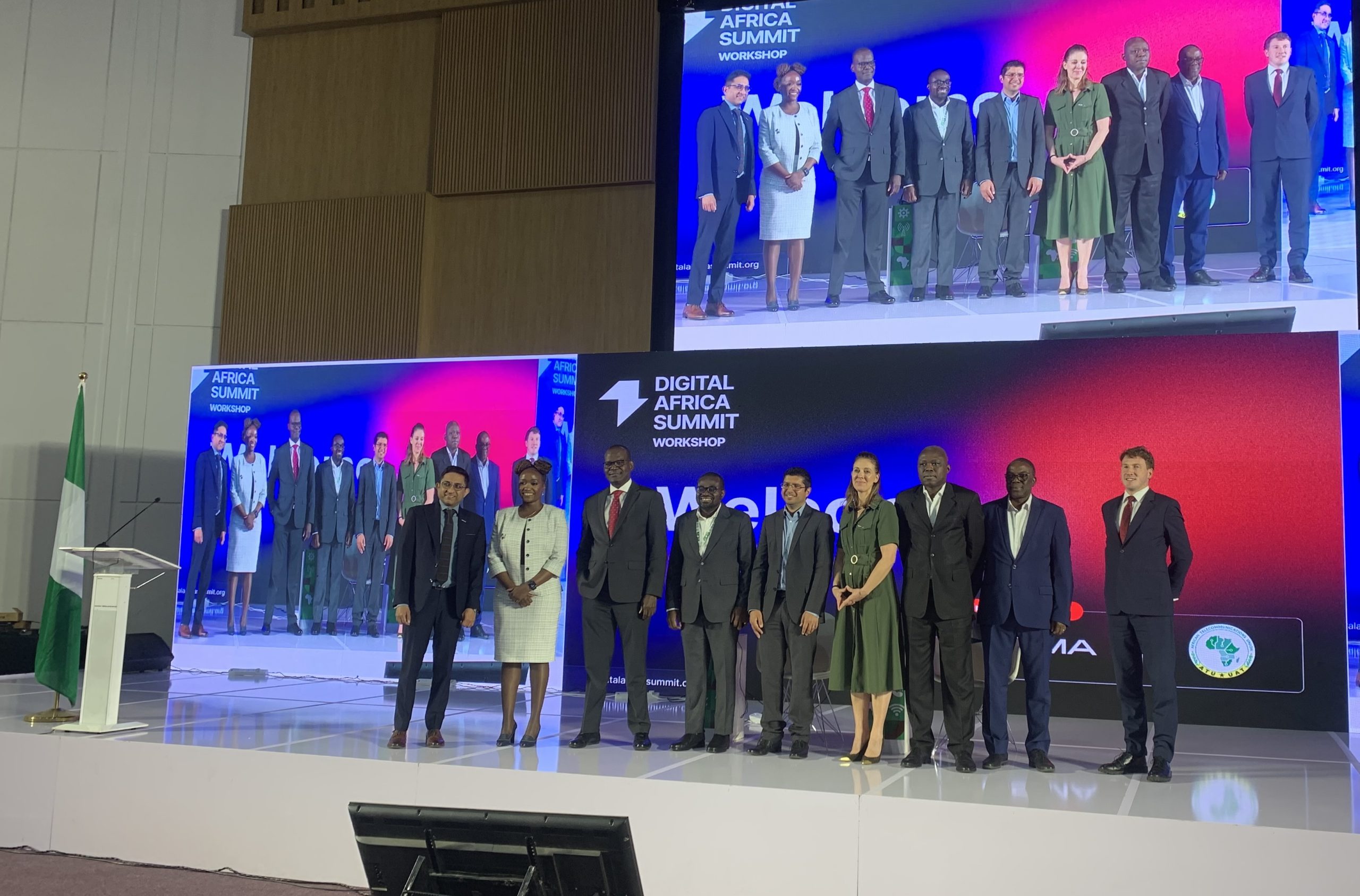
Speaking at the Digital Africa Summit Workshop in Abuja, jointly organised by the ATU and the GSM Association (GSMA), ATU Secretary General, John Omo, said findings from the GSMA Mobile Economy Africa Report 2025 highlight the central role of telecommunications in Africa’s economic transformation and digital future.
According to Omo, the report shows that mobile technologies and services contribute about 240 billion US dollars each year to Africa’s economy, support 13 million jobs and generate 45 billion US dollars in government revenues across the continent.
Describing the figures as remarkable, Omo noted that Africa’s mobile communications industry was virtually non-existent barely 25 years ago.
“If you consider where we were 25 years ago, these achievements demonstrate just how far the telecommunications industry has come,” he said.
He explained that the report provides policymakers with valuable evidence to better understand Africa’s evolving digital economy and identify priority areas for future investment and regulatory reforms.
Connectivity alone is not enough
Despite the sector’s significant economic contribution, Omo cautioned that expanding digital infrastructure should no longer be regarded as the sole measure of progress.
He argued that the real value of connectivity depends on whether people can afford digital services, possess the necessary skills to use them and have confidence in the digital platforms available to them.
According to him, many communities remain excluded from the benefits of digital transformation due to affordability challenges, inadequate digital literacy and limited access to relevant online services.
“Coverage is indispensable, but it cannot be our only measure of progress,” he said. “What matters is whether infrastructure becomes useful in the daily lives of our people.”
Omo stressed that governments must prioritise policies that improve affordability, strengthen digital skills and build public trust in digital systems if Africa is to fully realise the economic benefits of connectivity.
AI opportunities depend on digital inclusion
Also speaking at the workshop, GSMA Senior Director for Public Policy, Africa, Caroline Mbugua, said Africa is entering an “era of intelligence,” where artificial intelligence (AI) will increasingly shape economic growth and public service delivery.
She, however, warned that millions of Africans could be left behind unless governments urgently address barriers to digital access.
According to Mbugua, AI development depends on widespread access to reliable connectivity and affordable smartphones, yet millions of Africans remain excluded despite living in areas already covered by mobile broadband networks.
She revealed that about 961 million Africans fall within what GSMA describes as the usage gap—people who live in locations with mobile broadband coverage but do not use mobile internet services.
She noted that unless this gap is closed, a significant proportion of Africa’s population would be unable to benefit from AI-driven opportunities.
Mbugua added that increasing smartphone adoption would accelerate digital transformation across critical sectors, including healthcare, education, transportation and public services.
To achieve this, she urged governments to introduce fiscal reforms, particularly by reducing or eliminating taxes on entry-level smartphones.
Call for policy reforms
In her presentation, GSMA’s Head of Global Policy and Regulation, Michaela Angonius, identified three key policy priorities that African governments should pursue to accelerate digital inclusion across the continent.
She argued that existing telecommunications licensing frameworks have become outdated because they are tied to specific technologies.
Instead, Angonius recommended technology-neutral licensing systems capable of accommodating rapidly evolving innovations, including satellite communications.
She explained that many regulators face difficulties classifying satellite operators under existing licensing regimes, a challenge that could be resolved through technology-neutral regulations applicable to all communications providers.
Angonius also called for reforms to Universal Service Funds (USFs), noting that many African countries continue to accumulate substantial unused balances while still imposing levies on telecommunications operators.
According to her, “these unused funds effectively function as additional taxes that ultimately increase consumer costs and worsen affordability challenges.”
Another policy priority, she said, is the reform of Quality of Service (QoS) regulations.
Rather than relying on highly prescriptive performance requirements, Angonius argued that governments should adopt policies that encourage infrastructure investment, network expansion and wider coverage, noting that countries with the highest service quality often achieve better outcomes through investment-friendly regulatory environments.
She further urged governments to remove taxes on affordable smartphones, particularly entry-level devices, saying such measures would significantly improve digital inclusion across Africa.
About The Author