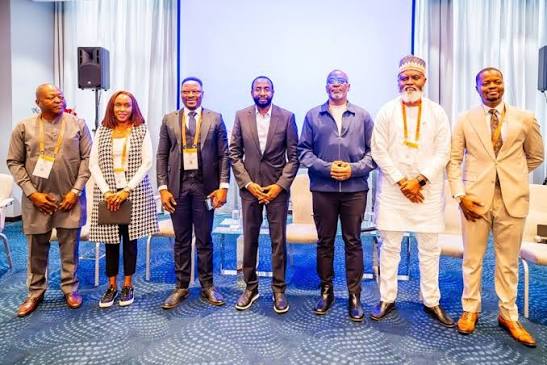










A new independent research report has revealed the enormous impact Meta’s digital platforms are having on Nigeria’s economy, entrepreneurship ecosystem, and digital transformation journey. According to the report, Meta’s family of apps, including Facebook, Instagram, WhatsApp, Messenger, Threads, and Meta AI, contributes an estimated $820 million annually to Nigeria’s economy.
The report, titled “Nigeria’s Digital Economy”, was conducted by independent research firm Public First and unveiled in Abuja. It highlights how Meta’s platforms have become essential digital infrastructure for millions of Nigerian entrepreneurs, creators, small businesses, and online communities.
The findings arrive at a time when Nigeria’s digital economy continues to expand rapidly despite economic challenges, inflation, infrastructure gaps, and rising business costs. From small businesses using WhatsApp for customer communication to creators building audiences on Instagram and Facebook, Meta’s apps are increasingly shaping how Nigerians work, sell, communicate, and access opportunities online.

Meta’s Growing Influence in Nigeria’s Digital Economy
Over the last decade, Nigeria has emerged as one of Africa’s largest digital markets. The country’s youthful population, rising smartphone adoption, growing internet penetration, and expanding startup ecosystem have created fertile ground for digital innovation.
Meta’s platforms have become deeply embedded in this growth.
According to the report, approximately 14 million Nigerian small and medium-sized enterprises (SMEs) used Meta apps in 2025 to start, operate, and grow their businesses.
These businesses collectively contributed an estimated $2 billion to Nigeria’s Gross Domestic Product (GDP), while Meta-powered instant messaging tools generated approximately $640 million in productivity gains across the economy.
The report explains that Meta’s platforms are helping businesses:
- Reach new customers
- Reduce advertising costs
- Improve communication
- Expand beyond local markets
- Build online communities
- Increase sales opportunities
- Automate customer engagement
For many Nigerian entrepreneurs, social media platforms are no longer just communication tools — they have become full business infrastructures.
How Nigerian Businesses Use Meta Apps
Across Nigeria, businesses of all sizes rely heavily on Meta-owned platforms.
1. WhatsApp for Business Operations
WhatsApp has become one of the most important digital business tools in Nigeria. Many SMEs now use WhatsApp for:
- Customer support
- Product marketing
- Order management
- Payment coordination
- Delivery communication
- Business updates
For informal businesses and small startups that cannot afford complex e-commerce systems, WhatsApp often functions as a complete business management platform.
According to the report, WhatsApp is also becoming Nigeria’s primary gateway to artificial intelligence adoption, with most Meta AI interactions in Sub-Saharan Africa happening through WhatsApp.
This reflects how Nigerians are adopting AI technologies through tools they already use daily.
2. Instagram for Social Commerce
Instagram continues to power Nigeria’s growing creator economy and social commerce ecosystem.
Fashion brands, makeup artists, photographers, food vendors, event planners, fitness coaches, and influencers increasingly use Instagram to:
- Showcase products
- Reach customers
- Build personal brands
- Run advertisements
- Generate online sales
The platform has helped many young Nigerians build businesses with minimal startup capital.
According to the report, 81% of businesses surveyed said Meta’s apps helped expand their customer base beyond local geographic boundaries.
This means a business owner in Kano can now reach customers in Lagos, Abuja, Port Harcourt, or even internationally through digital platforms.
3. Facebook and Digital Communities
Despite the rise of newer social media platforms, Facebook remains highly influential in Nigeria.
Many Nigerians use Facebook for:
- Marketplace sales
- Community groups
- Business promotion
- News distribution
- Online learning
- Creator monetization
Small businesses often depend on Facebook advertising tools because they provide relatively affordable ways to target customers compared to traditional advertising methods.
Meta Apps Are Fueling Nigeria’s Entrepreneurial Ecosystem
Nigeria is often described as one of Africa’s most entrepreneurial countries. High unemployment rates, economic uncertainty, and limited formal job opportunities have pushed many Nigerians toward entrepreneurship and freelancing.
Meta’s apps have become central to this shift.
According to Meta’s Director of Public Policy for Sub-Saharan Africa, Balkissa Ide Siddo, the platforms are helping remove traditional barriers to business growth.
Examples highlighted in the report include:
- A tailor in Lagos reaching nationwide customers through Instagram
- Small business owners in Kano taking orders via WhatsApp
- Creators in Abuja building international audiences through Facebook
For many Nigerian entrepreneurs, Meta platforms provide access to:
- Marketing tools
- Audience targeting
- Customer communication
- Global visibility
- AI-powered advertising systems
- E-commerce opportunities
This accessibility has made it easier for small businesses to compete regardless of location or size.
AI Could Add $22 Billion to Nigeria’s Economy
One of the report’s most important findings relates to artificial intelligence.
Researchers estimate that broader AI adoption could contribute up to $22 billion to Nigeria’s GDP by 2035 if supported by strong infrastructure, connectivity, and innovation-friendly policies.
The report argues that AI represents Nigeria’s next major digital growth frontier.
Several factors could drive this growth:
- AI-powered productivity tools
- Automation systems
- Open-source AI models
- AI-driven customer service
- Digital business optimization
- Local language AI development
The report also noted that 87% of online Nigerians believe Africa-developed AI products will be important for the continent’s economic future.
This suggests growing interest in building localized AI solutions tailored to African languages, businesses, and communities.
Open-Source AI Could Empower Nigerian Developers
Another major theme in the report is open-source artificial intelligence.
Meta has increasingly promoted open-source AI through its Llama AI models, allowing developers and businesses to customize AI systems for local needs.
For Nigeria, this could create opportunities for:
- Local AI startups
- Indigenous language AI systems
- Educational technology
- Agricultural technology
- Healthcare innovation
- Financial inclusion tools
Researchers believe open-source AI lowers development costs and gives African developers more freedom to build localized solutions.
This is particularly important in Nigeria, where local realities often require customized technology solutions.

Nigeria’s Digital Economy Is Expanding Rapidly
The report arrives amid broader growth in Nigeria’s digital economy.
Recent estimates place Nigeria’s digital economy at approximately $52 billion, with projections suggesting it could surpass $120 billion within the next decade if investments continue.
Several factors are contributing to this growth:
- Rising smartphone adoption
- Expanding internet access
- Mobile payment systems
- Digital entrepreneurship
- Content creation
- Fintech growth
- E-commerce expansion
- AI innovation
Nigeria’s entertainment, media, and creator economy sectors are also expanding rapidly due to social media and digital platforms.
The country now hosts one of Africa’s largest communities of:
- Creators
- Influencers
- Software developers
- Online entrepreneurs
- Digital marketers
- Freelancers
- Tech startups
Meta’s apps continue to play a central role in enabling these industries.
Challenges Still Facing Nigeria’s Digital Economy
Despite the positive findings, Nigeria’s digital economy still faces major challenges.
1. Internet Infrastructure
Reliable internet access remains inconsistent in many parts of Nigeria. Although connectivity has improved significantly over the last decade, affordability and quality continue to affect many users.
2. Economic Pressure on Businesses
Inflation, rising fuel prices, currency instability, and electricity challenges continue to impact Nigerian businesses heavily.
Many entrepreneurs rely on Meta platforms partly because they provide lower-cost alternatives to traditional business systems.
3. Data Privacy and Regulation
Meta has also faced regulatory scrutiny in Nigeria regarding data privacy and digital governance issues. Public discussions around platform regulation, user data protection, and online accountability continue to grow.
4. Digital Literacy
Millions of Nigerians still lack access to advanced digital skills training, limiting participation in the digital economy.
However, social media platforms themselves are increasingly becoming learning tools for business education, marketing knowledge, and entrepreneurship development.
Why This Report Matters
The Public First report is important because it highlights how digital platforms now function as economic infrastructure rather than just entertainment tools.
In Nigeria:
- WhatsApp powers small business communication
- Instagram drives social commerce
- Facebook supports communities and advertising
- AI tools are becoming integrated into everyday workflows
The report also demonstrates how digital ecosystems can create economic opportunities even in challenging environments.
For policymakers, the findings reinforce the importance of:
- Expanding internet access
- Supporting digital infrastructure
- Encouraging AI innovation
- Investing in digital literacy
- Creating innovation-friendly policies
For entrepreneurs, the report confirms the growing importance of digital platforms in building scalable businesses.
The Future of Meta and Nigeria’s Digital Economy
Looking ahead, Meta’s role in Nigeria’s economy is likely to grow further as:
- AI adoption expands
- Internet access improves
- More businesses digitize operations
- Social commerce increases
- Creator economies mature
- Open-source AI tools spread
The report suggests Nigeria is well positioned to become one of Africa’s leading digital economies if infrastructure and innovation investments continue.
As digital transformation accelerates, platforms like Facebook, Instagram, WhatsApp, and Meta AI may continue shaping how Nigerians communicate, work, shop, learn, and build businesses.
Conclusion
The new Public First report paints a powerful picture of Meta’s growing economic influence in Nigeria.
With Meta apps contributing an estimated $820 million annually to the economy, supporting 14 million SMEs, and driving billions in GDP activity, the company’s platforms have become deeply integrated into Nigeria’s digital ecosystem.
From social commerce and entrepreneurship to AI adoption and digital inclusion, Meta’s technologies are helping reshape how Nigerians participate in the digital economy.
While challenges around infrastructure, regulation, and economic stability remain, the report highlights the enormous opportunities still ahead for Nigeria’s rapidly evolving technology landscape.
As AI, connectivity, and digital entrepreneurship continue expanding, Nigeria may become one of the strongest examples of how digital platforms can drive economic transformation across Africa.
Frequently Asked Questions (FAQ)
-
What does the new report say about Meta in Nigeria?
The report states that Meta’s family of apps contributes approximately $820 million annually to Nigeria’s economy.
-
Which Meta apps are included in the report?
The report covers Facebook, Instagram, WhatsApp, Messenger, Threads, and Meta AI.
-
How many Nigerian businesses use Meta apps?
According to the report, around 14 million Nigerian SMEs used Meta apps in 2025 to operate and grow their businesses.
-
How does WhatsApp help Nigerian businesses?
WhatsApp is widely used for customer communication, marketing, order management, support, and business operations.
-
What role does AI play in the report?
Researchers estimate that AI adoption could add up to $22 billion to Nigeria’s GDP by 2035.
-
Why is Instagram important for Nigerian entrepreneurs?
Instagram supports social commerce, influencer marketing, product promotion, and creator monetization for businesses and creators.
-
What is open-source AI?
Open-source AI refers to AI systems whose models and code can be customized and developed openly by developers and organizations.
-
Why is Nigeria’s digital economy growing?
Growth is being driven by increased internet access, smartphone adoption, fintech expansion, entrepreneurship, digital content creation, and AI innovation.
About The Author