









Introduction
Nigeria is taking significant steps toward closing the gender gap in technology and empowering the next generation of female innovators. One of the most inspiring examples of this commitment is the National Girls in ICT Competition, a nationwide initiative designed to encourage young girls to embrace technology, innovation, and problem-solving.
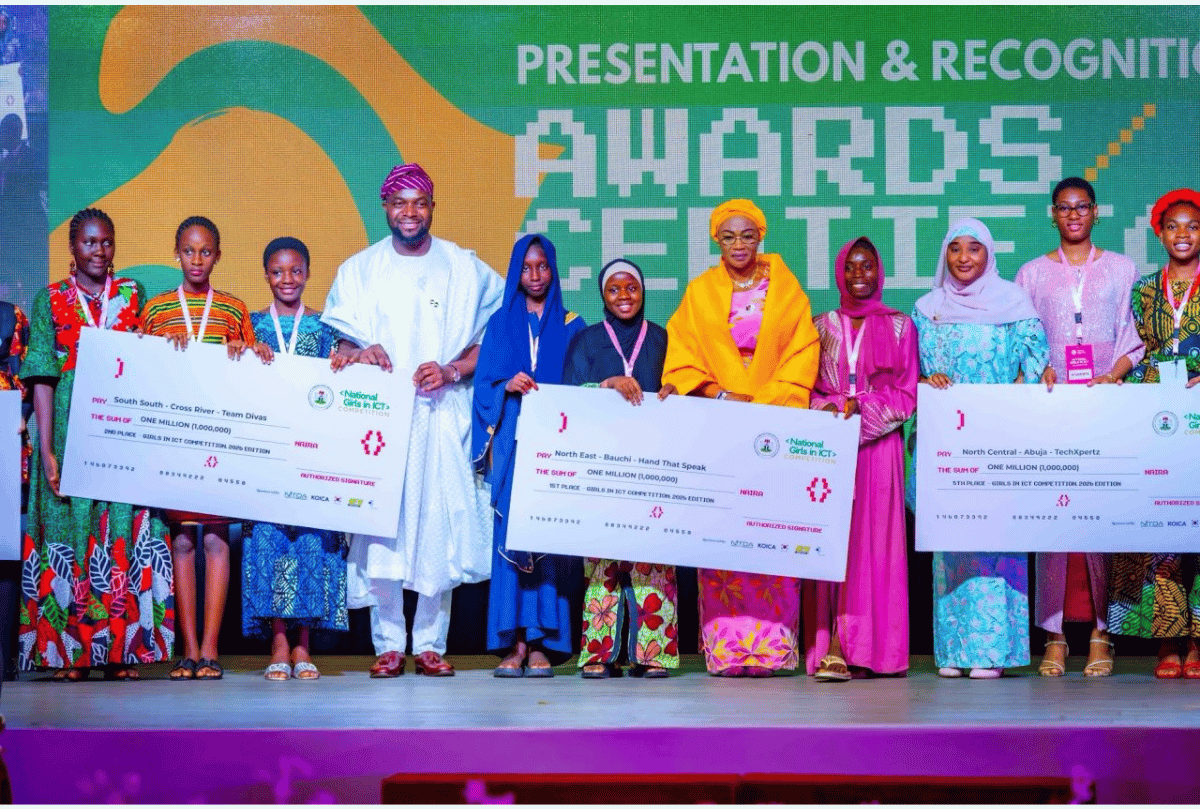
In June 2026, the Federal Government of Nigeria celebrated the winners and participants of the fourth edition of the National Girls in ICT Competition, recognizing 111 outstanding young female innovators who emerged from a pool of more than 3,700 participants across the country’s 36 states and the Federal Capital Territory. The event, held at the State House in Abuja, brought together government officials, educators, mentors, parents, and technology stakeholders to honor the remarkable achievements of young girls who are already shaping the future of technology in Nigeria.
The competition represents more than just an awards program. It is part of a broader national effort to encourage girls to pursue careers in Science, Technology, Engineering, and Mathematics (STEM), while creating opportunities for them to develop practical digital skills and innovative solutions to real-world challenges.
As Nigeria continues its digital transformation journey, initiatives like the National Girls in ICT Competition are helping to build a stronger pipeline of female technology leaders who will contribute to the country’s future economy.
Understanding the National Girls in ICT Competition
The National Girls in ICT Competition is an initiative of the Federal Ministry of Communications, Innovation and Digital Economy. The program was established to inspire young girls between the ages of 10 and 16 to explore technology and develop innovative solutions that address challenges within their communities.
The competition focuses on encouraging girls to apply technology to solve real-life problems in critical sectors such as:
- Agriculture
- Education
- Healthcare
Participants work in teams to identify challenges and develop technology-driven solutions that can positively impact society. Throughout the process, they receive training, mentorship, and guidance from professionals in the technology industry.
By combining innovation, teamwork, and digital skills development, the competition provides young girls with valuable exposure to STEM fields at an early stage of their educational journey.
Record Participation in 2026
The 2026 edition of the competition recorded one of its highest participation levels yet.
According to the Ministry of Communications, Innovation and Digital Economy, more than 3,700 girls from all six geopolitical zones of Nigeria participated in the program. These participants represented public and private secondary schools across the country and competed through various stages before reaching the national finals.
Out of these thousands of participants, 111 girls emerged as national winners, demonstrating exceptional creativity, technical knowledge, and innovative thinking. Their success reflects not only their individual talent but also the growing interest among young Nigerian girls in technology and digital innovation.
The impressive turnout highlights the increasing effectiveness of initiatives aimed at promoting female participation in STEM and digital skills development.
Celebrating Young Female Innovators
The competition concluded with a special recognition ceremony and celebratory dinner at the Presidential Villa in Abuja.
Nigeria’s First Lady, Senator Oluremi Tinubu, attended the event as Special Guest of Honour and commended the participants for their creativity, resilience, and commitment to using technology as a tool for solving societal challenges. She praised the girls for demonstrating that age and gender should never be barriers to innovation and leadership.
Addressing the participants, the First Lady encouraged them to remain confident, curious, and courageous as they continue their educational and technological journeys. Her message emphasized the importance of believing in their abilities and pursuing opportunities in science and technology.
The event also served as a celebration of the progress Nigeria is making toward creating more opportunities for girls in technology-related fields.
The Vision Behind the Initiative
One of the primary objectives of the National Girls in ICT Competition is to address the underrepresentation of women and girls in technology.
Despite significant growth in Nigeria’s technology ecosystem, women remain underrepresented in many technical and leadership positions within the sector. Programs like the Girls in ICT Competition seek to change this narrative by introducing girls to technology early and helping them build confidence in their abilities.
The initiative aligns with global efforts to increase female participation in STEM careers and ensure that women have equal opportunities to contribute to technological innovation.
By exposing girls to coding, problem-solving, robotics, digital design, and innovation projects, the program helps break stereotypes that have historically discouraged female participation in technical fields.
How the Competition Works
The National Girls in ICT Competition follows a structured process designed to nurture innovation and digital skills.
Participants apply as teams consisting of two to three girls between the ages of 10 and 16. After registration, selected teams participate in training programs that help them strengthen their technical and problem-solving abilities.
The competition process includes:
1. Problem Identification
Teams identify challenges affecting their communities in areas such as education, health, or agriculture.
2. Solution Development
Participants design technology-based solutions that can address these challenges.
3. Training and Mentorship
Selected teams receive structured digital skills training and mentorship from experts.
4. Regional Competitions
Teams compete at state and regional levels before advancing to the national stage.
5. National Evaluation
Finalists present their projects and innovations before a panel of judges.
This process ensures that participants not only develop technical skills but also learn teamwork, communication, leadership, and critical thinking.
6. Notable Winners and Projects
The 2026 competition showcased remarkable creativity and innovation among participants.
According to reports, the overall winning team came from the Special Education Centre in Bauchi State. Their project, titled “Hands That Speak,” focused on assistive technology designed to support individuals with communication disabilities. The project was praised for promoting inclusion and demonstrating how technology can improve accessibility for underserved communities.
Federal Government Girls’ College, Cross River State, secured second place, while Resonance Science School in Abia State finished third. Their projects also addressed practical challenges using innovative technological approaches.
These projects illustrate how young girls can use technology not only to learn but also to create meaningful solutions with real social impact.
Why Girls in ICT Matters
Technology is becoming increasingly important in every aspect of modern life.
From healthcare and finance to education and agriculture, digital technologies are driving innovation and economic growth. However, ensuring that women and girls participate fully in this transformation is critical for achieving inclusive development.
Research consistently shows that diverse teams produce better outcomes and more innovative solutions. When girls are encouraged to participate in technology, societies benefit from a wider range of perspectives, ideas, and problem-solving approaches.
Programs like the National Girls in ICT Competition help:
- Increase female participation in STEM
- Promote digital inclusion
- Develop future technology leaders
- Build confidence among young girls
- Encourage innovation and entrepreneurship
- Address gender disparities in technology
By investing in girls today, Nigeria is investing in a more inclusive and innovative future.
Government Support for Digital Inclusion
The National Girls in ICT Competition forms part of broader efforts by the Federal Government to expand digital inclusion and skills development.
The Federal Ministry of Communications, Innovation and Digital Economy has consistently emphasized the importance of ensuring that opportunities created through Nigeria’s digital transformation agenda are accessible to everyone, regardless of gender or geographic location.
Minister of Communications, Innovation and Digital Economy, Dr. Bosun Tijani, described the competition as one of the ministry’s flagship initiatives for promoting inclusion and encouraging greater participation of girls and young women in technology. He noted that investments in girls contribute to stronger communities, a more inclusive digital economy, and long-term national development.
This commitment reflects Nigeria’s recognition that digital skills are essential for future economic competitiveness.
The Role of Mentors and Partners
The success of the National Girls in ICT Competition would not be possible without the support of mentors, educators, sponsors, and institutional partners.
Dr. Bosun Tijani acknowledged the contributions of teachers, mentors, project coordinators, and organizations that helped deliver the program. Supporting partners include the Korea International Cooperation Agency (KOICA), the National Information Technology Development Agency (NITDA), the Nigerian Postal Service (NIPOST), and other stakeholders dedicated to advancing digital skills and innovation.
These collaborations demonstrate the importance of multi-stakeholder partnerships in building sustainable pathways for digital education and youth empowerment.
Looking Ahead
As Nigeria’s technology ecosystem continues to expand, initiatives like the National Girls in ICT Competition will play an increasingly important role in developing the country’s future workforce.
The growing participation levels suggest that more young girls are becoming interested in STEM careers and digital innovation. Continued investment in mentorship, training, and access to technology will be essential for maintaining this momentum.
The 111 winners recognized in 2026 may represent the next generation of software engineers, data scientists, AI researchers, cybersecurity experts, entrepreneurs, and technology leaders who will shape Nigeria’s digital future.
Conclusion
The recognition of 111 young female innovators through the 2026 National Girls in ICT Competition marks an important milestone in Nigeria’s efforts to promote digital inclusion and gender equality in technology. With more than 3,700 participants nationwide, the initiative demonstrates the growing enthusiasm among young Nigerian girls to explore technology, solve real-world problems, and contribute to innovation.
By providing training, mentorship, and opportunities for creativity, the competition is helping to build a new generation of confident and capable female technology leaders. As Nigeria continues its digital transformation journey, empowering girls through technology will remain essential for driving innovation, economic growth, and inclusive development.
Frequently Asked Questions (FAQ)
-
What is the National Girls in ICT Competition?
The National Girls in ICT Competition is a nationwide initiative organized by the Federal Ministry of Communications, Innovation and Digital Economy to encourage girls aged 10–16 to develop technology-based solutions to real-world challenges.
-
How many girls participated in the 2026 competition?
More than 3,700 girls from across Nigeria participated in the 2026 edition of the competition.
-
How many winners emerged in 2026?
A total of 111 girls emerged as national winners during the 2026 National Girls in ICT Competition.
-
What age group is eligible for the competition?
The competition is open to girls between the ages of 10 and 16 who are enrolled in secondary schools across Nigeria.
-
What sectors do participants focus on?
Participants develop solutions related to agriculture, education, and healthcare.
-
Who won the overall competition in 2026?
The Special Education Centre, Bauchi State, emerged as the overall winner with its assistive technology project known as “Hands That Speak.”
-
Why is the competition important?
The competition helps close the gender gap in technology, promotes STEM education, develops digital skills, and encourages innovation among young girls.
-
Which organizations support the initiative?
Key partners include KOICA, NITDA, NIPOST, and other stakeholders committed to advancing digital innovation and skills development in Nigeria.
About The Author