









Nigeria risks remaining largely a consumer rather than a producer of technology unless it urgently increases investment in local talent, digital infrastructure, indigenous platforms and data-driven innovation, members of the Nigerian Economic Summit Group (NESG) have warned.
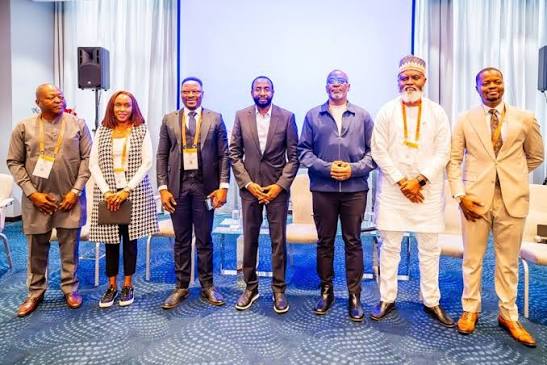
The warning was at the centre of discussions during a pre-summit virtual dialogue organised by NESG in collaboration with the Federal Ministry of Budget and Economic Planning ahead of the 32nd Nigerian Economic Summit (NES#32).
The dialogue, themed ‘Digital Nigeria: the Foundation for Transformation’, brought together policymakers, regulators, technology entrepreneurs and private-sector leaders to examine how digital transformation could drive productivity, competitiveness, investment and economic opportunities.
Speaking at the event, Director-General of the National Information Technology Development Agency (NITDA), Kashifu Inuwa Abdullahi, said Nigeria’s digital transformation must go beyond simply adopting technology and instead fundamentally change how the economy creates value.
According to him, the goal should be to build a digital economy capable of improving productivity, strengthening national security and creating wealth from Nigeria’s own talent, data and innovation.
Abdullahi described digital self-determination as Nigeria’s ability to make meaningful choices about its digital future. He argued that the country must develop the capacity to build, adopt and deploy technologies that align with its economic and strategic interests.
He identified digital literacy and talent development as critical foundations of this transition, pointing to ongoing efforts to introduce digital skills into formal education, improve the capabilities of public servants and strengthen technology talent pipelines.
According to Abdullahi, Nigeria’s large youthful population, entrepreneurial culture, domestic market and expanding technology ecosystem provide the ingredients needed for the country to become a major digital producer.
However, he stressed that this potential would remain largely untapped without substantial investment in local talent, infrastructure, technology companies, digital platforms, research and algorithms.
He also called for policies that would enable Nigeria to derive greater economic value from its data, rather than allowing the country’s data resources to predominantly fuel value creation outside Nigeria.
Technology entrepreneurs at the dialogue also called for reforms, warning that regulatory complexity and fragmented oversight could weaken Nigeria’s ability to compete in the global digital economy.
Femi Adegolu, Co-founder of TradePal AI, said Nigeria’s rapidly growing fintech ecosystem, which he put at more than 400 startups, continues to face significant barriers caused by regulatory fragmentation, operational friction and weak trust.
He advocated a harmonised licensing framework involving the Securities and Exchange Commission (SEC) and the Central Bank of Nigeria (CBN), arguing that startups should not have to navigate disconnected regulatory processes as they expand.
Adegolu also proposed tiered capital requirements that would allow smaller technology companies to enter regulated markets without facing the same financial barriers as larger institutions.
He further called for incentives for data residency to encourage Nigerian businesses to retain more data within the country and convert those resources into domestic economic value.
For businesses, stakeholders cautioned that digital transformation should not become another expensive corporate buzzword.
Adedoyin Odunfa, Founder and Chief Executive Officer of Digital Jewels Limited, said companies must establish a clear business case before committing resources to technology.
About The Author