







As Nigeria continues its efforts to build a more competitive and digitally driven economy, a startling revelation has emerged at the 66th Annual General Conference of the Nigerian Bar Association (NBA).
About 57% of technology products procured by government Ministries, Departments and Agencies (MDAs) and corporate organisations in Nigeria are reportedly refurbished products that are procured and presented as brand new due to a failure to respect the genuine local partnership structures established by foreign Original Equipment Manufacturers (OEMs).
The practice, described as fraudulent, calls for appropriate sanctions against firms found culpable.
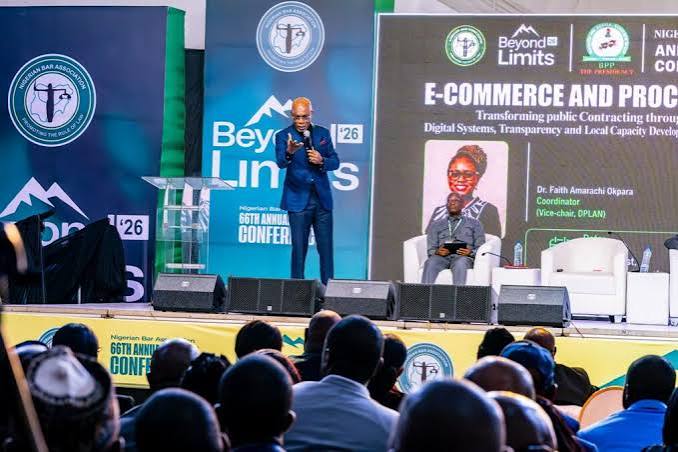
Forbes leading tech icon and founder of Zinox Group, Leo Stan Ekeh, made the observation during a session titled, “E-Commerce and Procurement: Transforming Public Contracting through Digital Systems, Transparency and Local Capacity Development,” held under the conference theme, “Beyond Limits.”
Ekeh’s position is informed by more than four decades of partnerships with leading global technology OEMs, including HP, IBM, Dell, Cisco and Microsoft, as well as his efforts to build indigenous technology capacity in Nigeria and across Africa.
Through Zinox Technologies, Ekeh pioneered Nigeria’s first internationally certified computer manufacturing facility and delivered technology solutions for critical national projects, including Nigeria’s digital voter registration exercise and major ICT infrastructure deployments across Africa.
His wider entrepreneurial journey has also covered technology distribution, digital infrastructure, e-commerce and enterprise solutions, giving him extensive insight into Nigeria’s relationship with technology, local capacity and global brands.
As a strong advocate for indigenous innovation, Ekeh has consistently demonstrated that Nigerian technology companies can develop, deploy and support solutions capable of addressing complex national needs while meeting international standards.
His concern focuses on Nigeria’s longstanding preference for foreign technology products, even as many Nigerians send their children to some of the world’s leading educational institutions. According to him, in the pursuit of foreign brands, organisations may end up purchasing refurbished equipment presented as new, while indigenous technology companies with the capacity to deliver quality solutions receive limited consideration.
The issue, therefore, extends beyond brand preference and raises significant concerns about procurement verification, transparency and value for money. For government, where technology procurement supports critical public infrastructure and services, ensuring that products are authentic and fit for purpose is particularly important.
Ekeh consequently called for stronger implementation of the Nigeria First Policy, urging government Ministries, Departments and Agencies to give greater consideration to world-class indigenous businesses and locally developed and certified solutions while maintaining appropriate standards for quality and global competitiveness.
He also emphasised the importance of digital systems in improving procurement processes.
According to him, e-procurement platforms, government cloud infrastructure, data protection safeguards and digital audit trails can make transactions more transparent, traceable and accountable. He noted that this is critical to Nigeria’s future, arguing that no nation can claim to be truly independent without technological independence.
The discussion also highlighted the changing role of lawyers as procurement becomes increasingly digital. Legal practitioners must understand the technological, regulatory and compliance dimensions of public contracting while helping organisations manage procurement risks and disputes.
Ekeh further stressed the growing importance of digital competence among lawyers as they navigate an increasingly technology-driven economy.
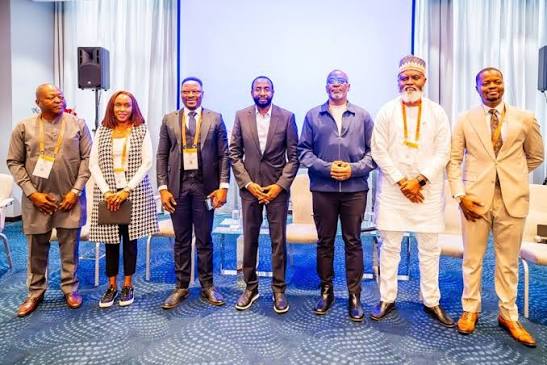
Other speakers at the session included Dr. Adebowale Adedokun, Director General of the Bureau of Public Procurement, who was the lead speaker; Kashifu Inuwa Abdullahi, DG/CEO of NITDA; Fatai Idowu Onafowote, Director General of the Lagos State Public Procurement Agency; Engr. Sanusi Aminu Yero, Director General of the Kaduna State Public Procurement Authority; and Andrew Osemedua Odom, SAN. Dr. Faith Amarachi Okpara coordinated the session.
Ultimately, going “Beyond Limits” requires Nigeria to rethink how it defines value in technology procurement. Foreign origin should not automatically be equated with superior quality, just as local origin should not be viewed as a limitation.
A stronger procurement culture centred on authenticity, transparency, innovation and value can help protect public resources while creating greater opportunities for Nigerian technology companies to grow, compete and contribute meaningfully to the country’s digital future.
About The Author