








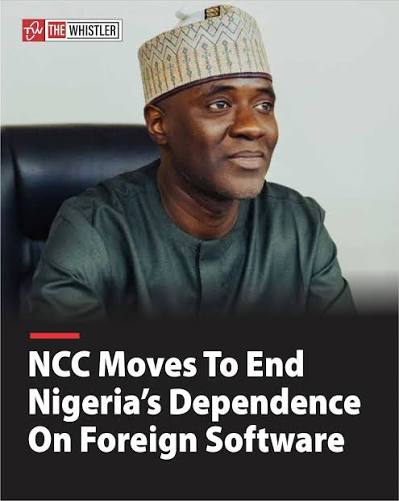
The Nigerian Communications Commission (NCC) has called for increased investment in locally developed technology as part of efforts to reduce Nigeria’s dependence on foreign software and strengthen the country’s digital independence.
The NCC Executive Vice Chairman, Aminu Maida, made the call during the closing ceremony of the fourth NCC Hackathon Live Show in Abuja.
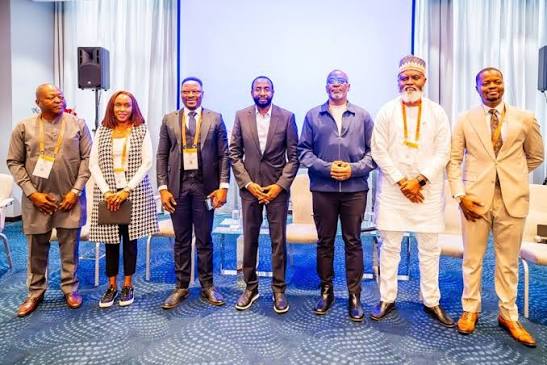
The event brought together innovators who developed technology solutions designed to support persons with disabilities and other Nigerians facing digital exclusion.
Maida, who was represented at the event by the Executive Commissioner for Stakeholder Management, Rimini Makama, said Nigeria needed to move beyond reliance on imported software and place greater focus on developing technologies that address the country’s specific challenges.
He described the hackathon as an opportunity to shift Nigeria from being primarily a consumer of foreign technology to becoming a producer of locally developed assistive solutions capable of serving people across different abilities.
The innovations showcased at the event included artificial intelligence-based speech-to-text tools, voice-enabled public platforms, accessible USSD services and inclusive mobile applications.
According to Maida, technologies of this nature could provide important foundations for achieving greater technological self-reliance.
He also called on venture capitalists, telecommunications companies and state governments to provide the innovators with funding and strategic partnerships to enable them to move their ideas beyond the prototype stage.
Maida urged investors to view the participants not merely as hackathon contestants, but as potential entrepreneurs, business partners and technology suppliers.
He stressed that supporting these innovations would contribute to addressing digital exclusion across the country.
The NCC executive vice chairman noted that the need for locally relevant and accessible technology was becoming increasingly important as more economic and social activities moved online.
Citing World Bank estimates, Maida said about 25 million Nigerians live with some form of disability, while around 3.6 million experience significant difficulties in functioning.
He warned that without accessibility-focused digital products, persons with disabilities could be excluded from critical areas such as education, employment, financial services, healthcare and broader participation in society.
About The Author